

Beating the content crush, 16/07/2026
PXN, PlayStack, PQube, and Hooded Horse share the secrets of pitching memorable games 😲

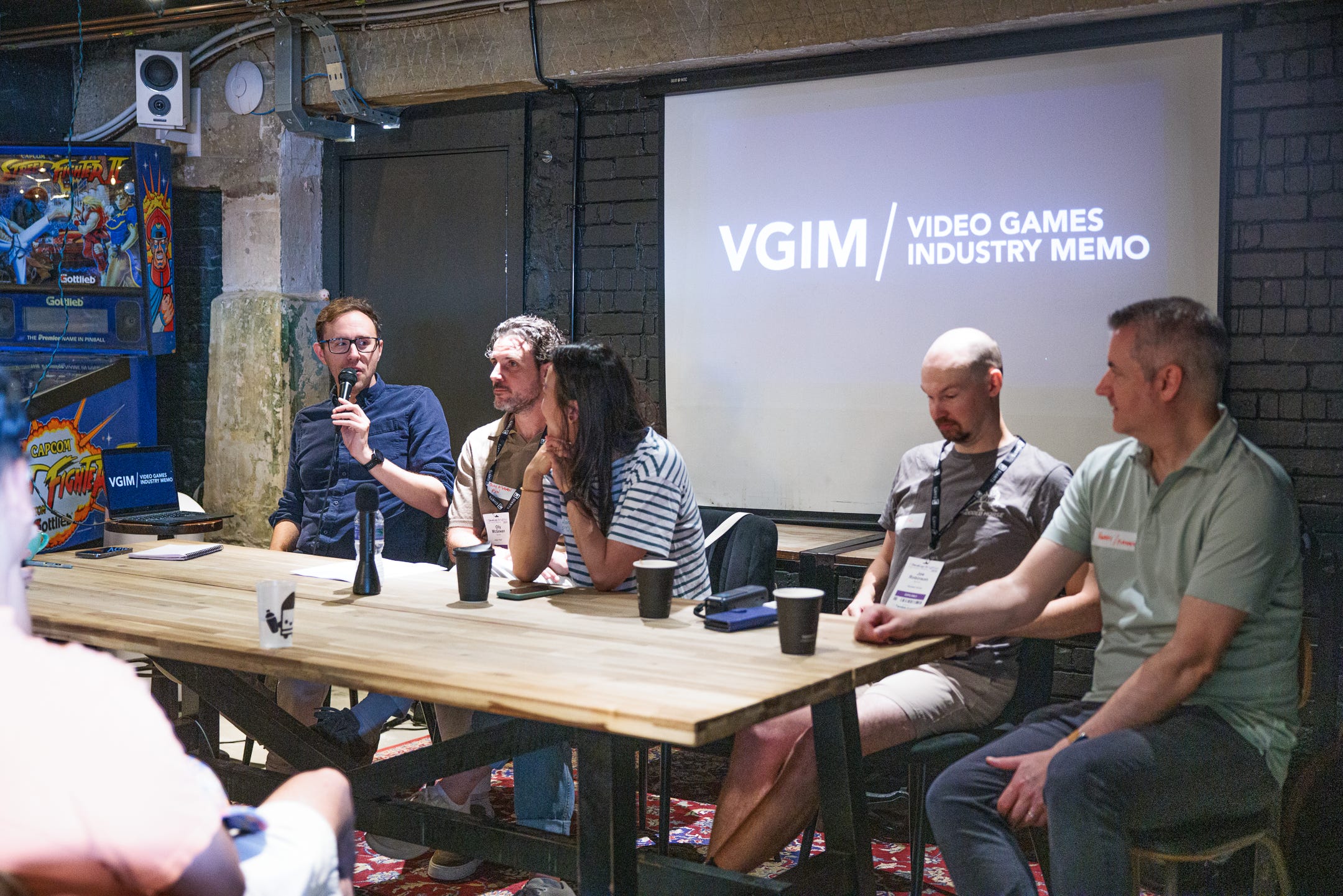
Publishers share how to stand out from the crowd at the VGIM business breakfast
The European Union takes big steps towards a social media ban
Moss: The Forgotten Relic charms in this week’s big releases
Hello VGIM-ers,
The North American book launch of Power Play takes place on Tuesday 21st July, and you can celebrate it with me in the Big Apple on two special days.
First up, I’ll be at Games for Change New York on Wednesday 22nd July having a chat with Lucy Chow about building welcoming, inclusive and fair community spaces for people to play in. Get your tickets for the conference at this link.
Later that evening, I’ll be joining the Thriving in Games Group for its Digital Thriving Salon. Join an exclusive group of guests at Winnies between 6pm and 9pm by registering here.
And most importantly, there’ll be plenty of opportunities to buy the book. Grab a copy at either Games for Change or the Digital Thriving Salon.
And if you’re based anywhere else in North America, you can, of course, buy the book and have it delivered straight to your door next week. Pre-order here.
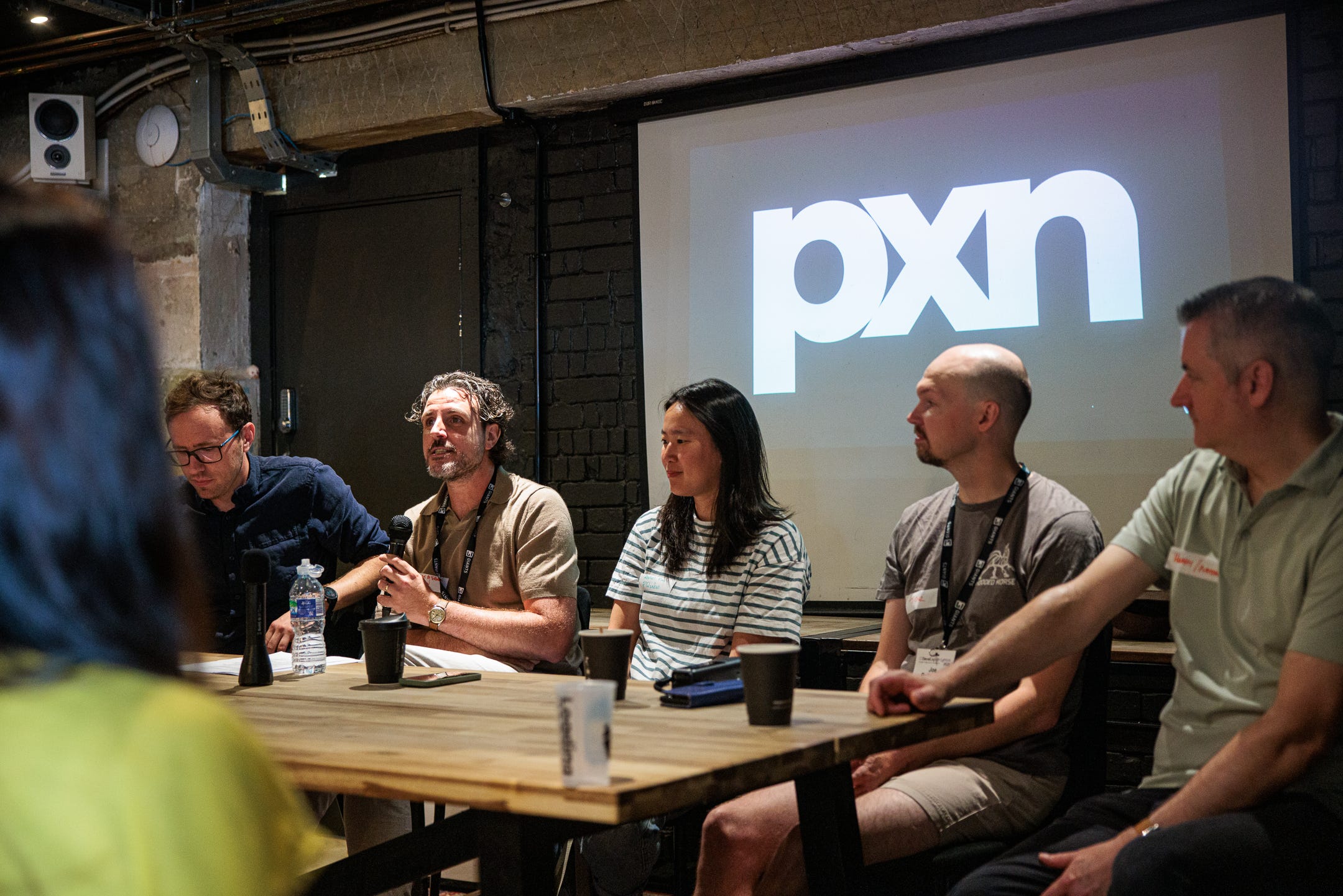
The big read - Beating the content crush
That’s a lotta games: There are an almost unfathomable number of video games available for people to play. In 2025, thousands of games were released on console, and nearly 20,000 video games were made available via Steam. Approximately 225,000 mobile games arrived on app stores. And on Roblox, the number of experiences released last year is expressed in millions — rather than mere thousands. Gulp.
Crushed: The glut of video game content has led to what analyst firm Omdia has dubbed a content crush. Developers and publishers are navigating a market where consumers are inundated with new releases, have accumulated a ‘pile of shame’ to play through, and have less cash – and often less time – to play with. This makes things pretty darn tricky for anyone trying to get their game picked up by a publisher, or sold to overstimulated players (i.e. a hella lot of people reading this newsletter).
Seamless transition: So how on earth are developers attracting cash in this market? What are they doing to stand out to both publishers and players? And how are publishers themselves staying visible in a remarkably noisy landscape? In an attempt to resolve the problem on behalf of everyone in the games industry, I collared experts from PQube, Hooded Horse and PlayStack at this year’s VGIM Business Breakfast, sponsored by PXN, to get some answers.
Some early optimism
Competitive advantages: The content crush is definitely A Real Thing. But early in the session, Harvey Elliott, Chief Executive at recently acquired publisher PlayStack, challenged just how crush-y the problem is. “There are 20,000 games each year [released on Steam], but we don’t remember 20,000 games,” he said. “There’s maybe 1,000 that could be interesting.” That still means there is a punchy rolling average of 20 decent video game releases per week. But compared to nearly 400 releases per week, Elliott’s estimate suggests that the competitive commercial video game market is narrower than expected.
RIP their inboxes: Publishers are also actively deploying cash to support those games. In contrast to some of the more doom-laden comments about there being no money for companies in the market, the two panellists who are in the business of signing games– Elliott and Ariel Pai (who is Senior Product Scout & Business Development Manager at PQube) – confirmed they were actively looking for games to add to their slates in 2027 and 2028. What’s changed is how much cash is available.
Ask, and you may receive: “I think for us because we’re still also indie scale, our basic budget isn’t mega high,” explains Pai. “So basically anything that is more than half a million dollars, that’s not really something that we will take forward.” This figure lines up with what I heard from publishers attending Florence’s First Playable - where publishing budgets ranged from a few hundred thousand to a couple of million dollars - suggesting developers can get cash, if they tweak expectations and budgets down from the highs of the Covid Bonanza Era.
Not on a wishlist and a prayer: And as for who gets cash, the panellists keenly slayed the idea that developers have to resolve the chicken/egg dilemma of trying to build a massive community before nabbing a publishing deal. “I think I can confidently say that we’ve never signed a game based on a Discord size or a specific social following,” said Joe Robinson, Communications Director at strategy-game publisher Hooded Horse. “I think devs being aware of the marketing and financial aspect is useful. But as a publisher, we know our audience, we know our market.”
Stay out of their marketing lane: This was echoed by other panellists, who saw their value to developers through the promotional work they can do on their behalf. “I feel like most indie devs come to publishers because they don’t know how to market games and they want publishers to help them reach a broader audience,” said Pai, who said she was happy to consider pitches from developers who had only lightly, but consistently, promoted their work online. Elliott agreed. “When we signed Balatro, it had four followers or something,” he said, suggesting that the perception that a developer must have tens of thousands of Discord followers or wishlists to pick up a publisher may be off the mark.
22 short stories about video games
Tell us a story: So, good news: there’s a little less competition, a little more cash and lower expectations on the community front for developers competing in the market. What is non-negotiable is that your game is 1) good (duh) and 2) has such clarity behind its pitch that publishers and players want to pick it up. “If you can’t explain your game to a friend in one sentence, then I think you’ve got some work to do,” said Olly McGowan, Chief Technology Officer at PXN. “There’s a really good book called The Story is the Deal, and it talks about the history of storytelling and how important it is. It’s so much easier to remember a story and pass it on. Balatro is a great example. It has an instantly understandable hook, it’s easy to remember, and I think that’s why its message was so clear and simple.”
Positive reviews: But outside of pointing excitedly at already popular video games that I’ve bored everyone with, what activates a publisher’s spidey-senses to say this game could stand out? In some cases, it’s something that’s able to get the publishers excited on your behalf. “Because we’re not a massive company of about maybe 40 people, we are quite hands-on when we work on games, when we look at games and new projects are coming in,” said Pai. “It’s quite important the review team are like ‘oh, this game is really, really fun.’ We want to look at games that excite us, so we want to move forward with the developers.”
Blended for your leisure: Publishers are also excited by games that find novelty by melding interesting ideas together. “We’re seeing a lot of people try to be really smart about the games they’re trying to make, more specifically when they’re genre blending,” explained Robinson, when discussing Hooded Horse’s recent pick-ups. Manor Lords, one of the publisher’s biggest breakout hits in the past few years, showed the benefits of genre-melding by merging city-building with real-time strategy to score over three million sales. Separately, the panel politely ignored my comment that compared this practice in games to the emergence of interdisciplinary research in academia. They were right to do so.
Guess who has spent too much time on Reels: Anyway, in great news for creative developers, genre mashups are one example of how being a bit weirder, wacky and creative will help games really stand out in the market. I asked whether video games will deliver an equivalent of Angine de Poitrine, the angular Québécois math rockers who’ve recently Gone Big On TikTok due to their funky rhythms and even funkier outfits. Our panel agreed that being distinctive has a place in an oversaturated market. “Those genre blends, those mashups of things really matter because they bring elements together and drive innovation,” explained Elliott. “Those 20,000 games could be 20,000 things people thought of that weren’t perhaps thought of before. That does give us hope.”
Resonate to accumulate
I suck at my job latest: The problem with running a half-hour breakfast conversation about video game publishing is that there’s so much more that could have been said. We didn’t have time to ask about how game developers can compete with publishers reaching into their back catalogues. There wasn’t enough time to dig deeper into Pai’s comments about expanding into Asia, or the possible benefits of having multilingual teams capable of really understanding developer pitches that might get lost in translation. Trying to talk about specific genres versus general lessons was impossible in the time. It’s always important to acknowledge your failures, dear readers.
Memorability, not just discoverability: But the last word on what’s important for standing out in a crowded landscape was one of the first things that McGowan said on the panel. “Discoverability is one challenge, but memorability I think is very important as well,” he said. “Discoverability gets you noticed, but you need really clear, concise messaging to make sure that it’s memorable because that’s how people are going to share your story.” Because in a market featuring hundreds of viable rivals, the great game that has what Elliott calls “resonance” will be best placed to clamber out from under the content crush.
News in brief
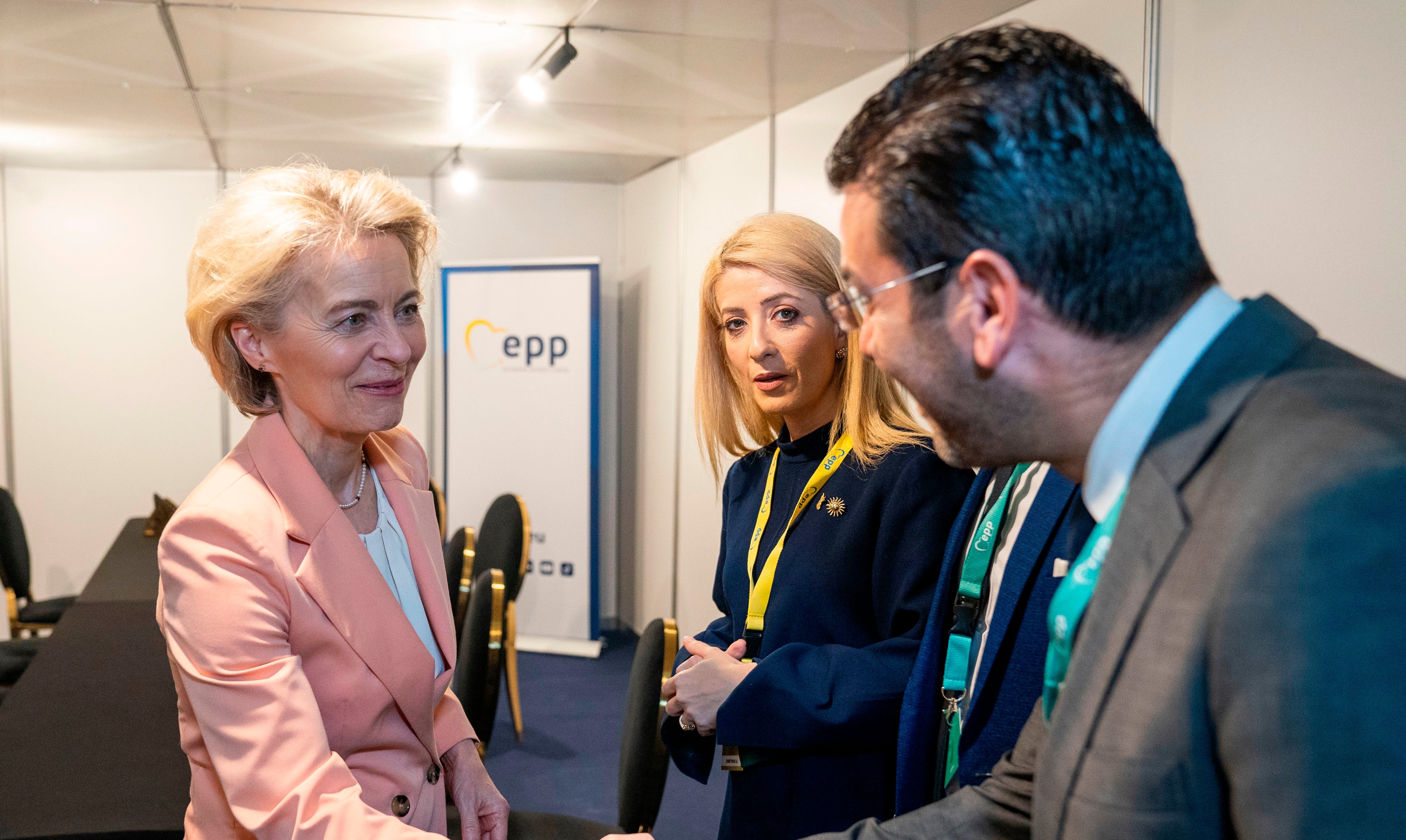
EU too, Ursula?: The European Union has confirmed that it is moving towards implementing its own form of a social media ban for minors. European Commission President Ursula von der Leyen has said that there is a consensus for a “social media start date” for when it is safe for children to join platforms. Unlike other bans, the EU is proposing an approach whereby under-13s’ access to social media is limited without parental consent and that older teens will be given steady access to additional features. Importantly for VGIM readers, video games and video game-adjacent social media platforms will be included in this regulatory push.
Not O-SNK: Games Done Quick, the charity speedrunning event, has apologised for partnering with Saudi Arabian-owned games company SNK to host a livestreamed fundraising event. The group pulled the plug on an event featuring the game Metal Slug after its community criticised it for partnering with the studio, which is 96% owned by a subsidiary of Crown Prince Mohammed bin Salman’s Misk Foundation.
Bad timing: Xbox chief exec Asha Sharma has been appointed by the US Federal Reserve to a task force helping it design its monetary policy. Sharma joins Marc Andreessen, co-founder of Andreessen and Horowitz, and Charles I. Jones, a Stanford University professor currently on leave from Anthropic, to advise the Fed’s productivity and jobs workstream. The announcement came just days after Sharma announced 3,200 layoffs across Xbox’s business.
Age ratings on Apple: Apps released on Apple’s App Store will now need to declare whether they include social media features as part of the store’s age rating questionnaire. Developers with apps that allow users to post, share and amplify user-generated content will need to disclose their presence so their products can receive a ‘social media’ descriptor. The aim is to strengthen parental controls to make it easier to limit time spent on social platforms.
Full Steam ahead: Steam, the PC games distribution channel of choice, generated a record $11.1bn in gross revenue in the first half of 2026 according to Alinea Analytics. The figure, which is up by 14.5% compared to H1 2025, has been powered by growth in sales in China, higher prices for new releases, the emergence of ‘viral’ low-cost hits like Mecha Chameleon and ever-effective back catalogue monetisation. Seems relevant given this week’s Big Read.
Moving on
Tom Orry and Alex Donaldson have launched video game media site Respec…Dylan Beale has been appointed Studio Head at Larian Studios in its Guildford office…Ben Tester has become the Senior Marketing and Release Manager at Wales Interactive…Marie Dealessandri has become the Editorial Strategy Manager for Critical Reflex…And John Kattenhorn has been promoted to Chief Technology Officer at Kwalee…
Jobs ahoy
HP wants a Gaming Partnership Specialist to join its team in Tustin…Wizards of the Coast is hiring a Play Content Manager…Rocksteady Studios is still on the hunt for an External Development Manager…Riot Games needs a Technical Art Manager for an unpublished R&D project based in Sydney…And Ubisoft is picking up an Esports Communications Manager for a six-month contract in Paris…
Events and conferences
Games for Change, New York - 21st-22nd July
ChinaJoy, Shanghai - 31st July-3rd August
Serious Play, North Carolina - 5th-7th August
gamescom, Cologne - 26th-30th August
Power Play book tour, Multiple Locations - Throughout 2026
Games of the week
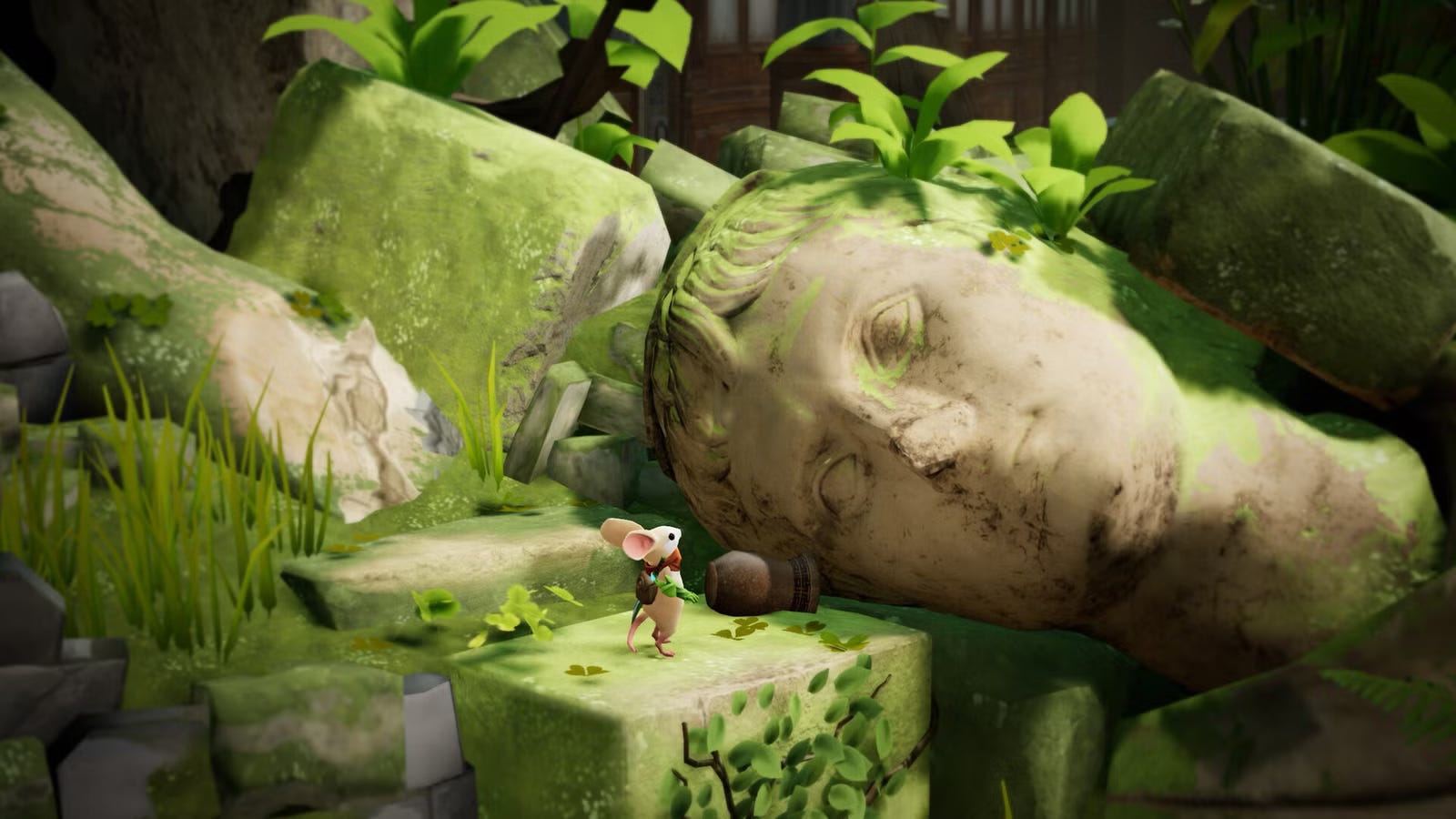
Moss: The Forgotten Relic - Well-regarded VR adventure game is reimagined for console and PC, but retains cutesy mouse content.
Heave Ho 2 - Sequel to arm-swinging party game favourite Heave Ho is dragged onto Steam with the help of Devolver Digital.
D-topia - Gently paced puzzle adventure about keeping residents of a city happy with the help of an artificial intelligence hits PC and console.
Before you go…
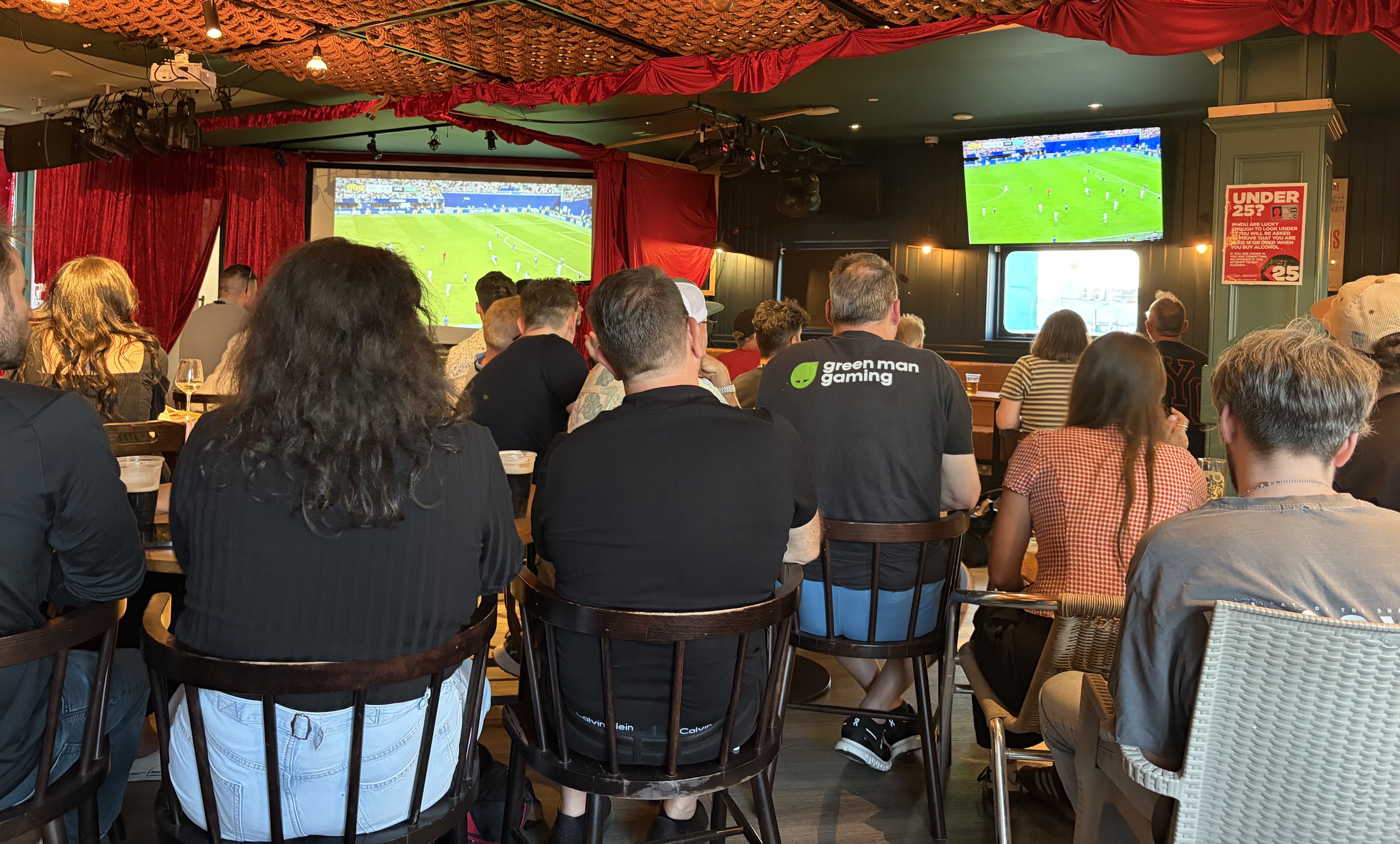
We headed to the Games Industry Biz party last night to meet the games business and, even more importantly, find out whether football would continue its orderly procession home.
Unfortunately, it didn’t. England threw away a 1-0 lead against Argentina to lose 2-1 in second-half stoppage time.
At least the free drinks tokens went down well with the crowd.
Keep up with VGIM: | Linkedin | Bluesky | Email | Power Play |