

Inside the World Health Organization's video games webinar, Playing Politics
We spill the beans from a very chat about games and social health

The WHO hosts an intriguing webinar about video games and social health
Roblox rolls out face-check age verification across the world
The Digital Fairness Act is the law to watch in 2026
Hello VGIM-ers,
Welcome to the first Playing Politics of 2026, your monthly look at the political news shaping the video games industry across the world.
This month, we’re taking a look at the World Health Organisation’s thinking about video games and public health, picking through some of the political news shaping the biz, and offering up five trends for you to keep an eye on in 2026.
If you want to read Playing Politics, get other exclusive VGIM content, receive first dibs on event tickets, and get discounts on all purchases (including sponsorships), sign up as a VGIM Insider for £6 per month or £50 per year below.
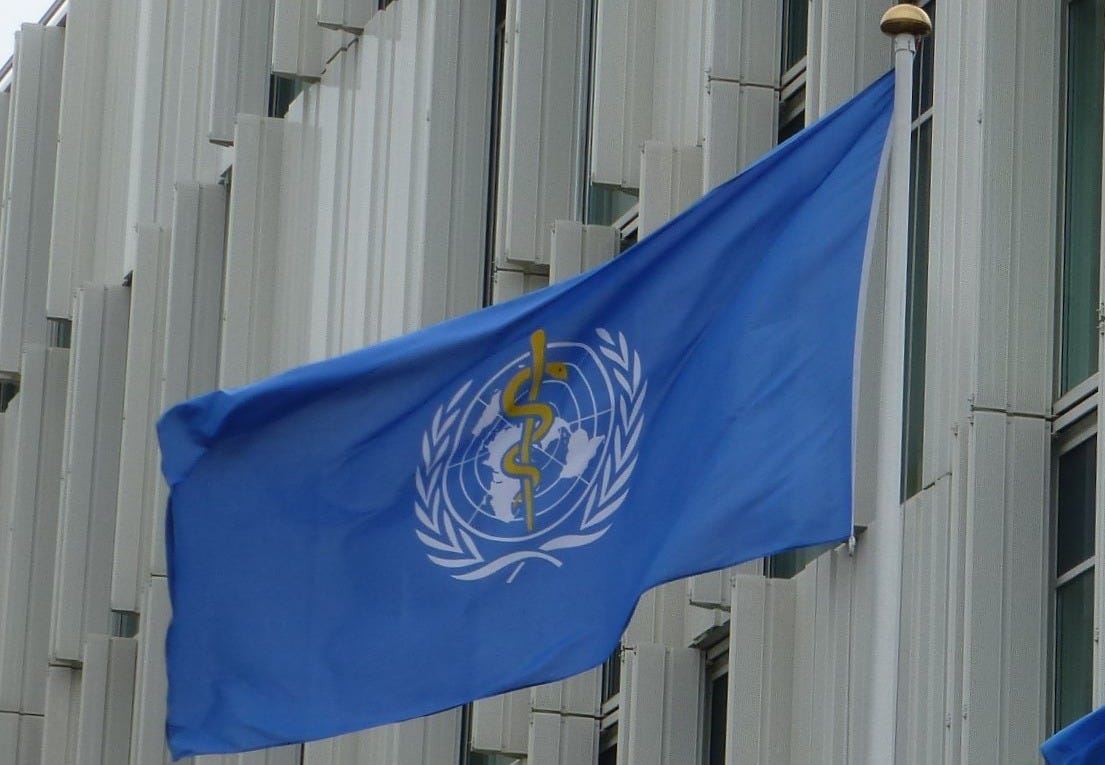
Inside the World Health Organization’s video games webinar
Health (side)bar: There’s nothing like the start of a New Year to make you think about your health. Whether you’re saying no to the booze for a Dry January, fighting the hordes to get onto the cross-trainer at the gym, or reminding everyone that Blue Monday was invented as a marketing campaign, the first month of any year is a good time for a health check.
A conversation, not a conclusion: The World Health Organization (WHO) agrees. On Wednesday 14th January, the WHO held a webinar all about video games and health. Catchily titled Social Health and Digital Play: A Conversation, Not a Conclusion, the session brought together 245 people to hear talks from the WHO, academics, and industry about the potential harms and benefits of games on our ‘social’ health.
Social medium: The purpose of the webinar was supposedly two-fold. The first reason it was held was to air the possible impact of video games on social health issues like isolation or loneliness, moving the discourse away from the traditional chats about physical health (e.g. obesity) or mental health (e.g. gaming disorder). The second was to spark an open conversation between academics, industry, policy makers and health professionals to explore an underresearched topic.
Leopards, spots: However, there was a problem. Despite framing the event as an open-minded chat, and despite the best efforts of the majority of academic speakers to keep it that way, the WHO seemed reluctant to engage in an open conversation about games and social health. Instead, it veered back towards its well-trodden concerns around mental and physical health, undercutting the intention of the event in the process.
Keep reading with a 7-day free trial
Subscribe to Video Games Industry Memo to keep reading this post and get 7 days of free access to the full post archives.