


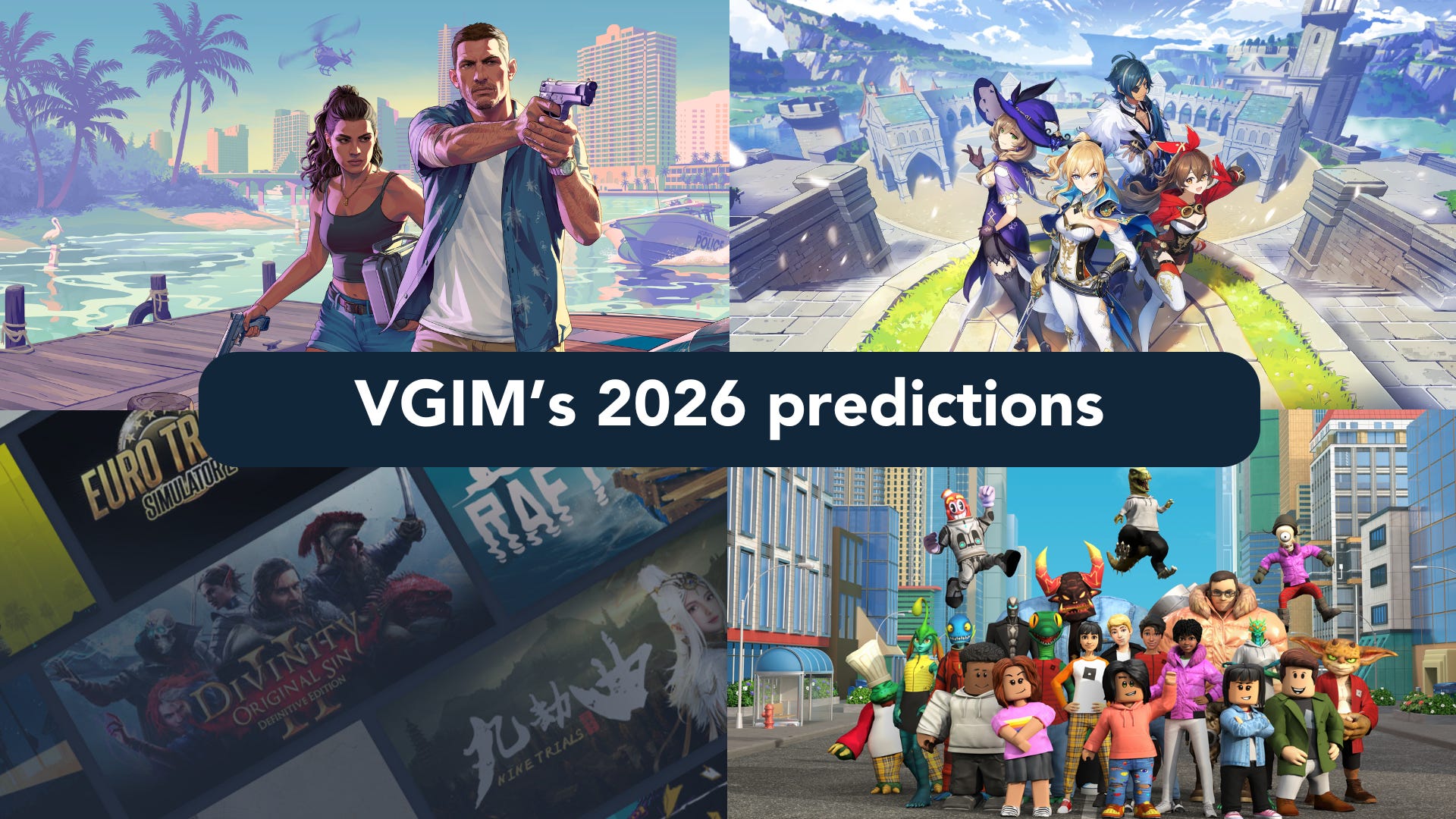
We make six mostly bulletproof-ish predictions about the global video games industry
Rainbow Six under Siege from hackers tops our out-of-office news round-up
007 First Light tops our picks of the releases for 2026
Hello VGIM-ers,
Welcome back, everybody.
The first week back at work each year is always disorienting. So I’m here to help with a special ‘welcome to 2026’ edition of the newsletter.
I’ll kick things off by rattling through a series of increasingly unhinged predictions about where the industry will go in 2026. I’ll wrap up the news you might have missed over the festive season. And I’m going to handpick a few of the big releases that aren’t Grand Theft Auto VI for you to keep an eye on this year.
But before you dive in, make it your New Year’s Resolution to support Video Games Industry Memo by either i) signing up as a VGIM Insider for just £50 a year or ii) contacting me to discuss sponsorship opportunities for our newsletters and events this year.
I’ve got some fun plans up my sleeve. I’d love it if you could help me bring them to life.
The big read - Six video games industry predictions for 2026
Survivors: In 2024, the video games industry “survived until 2025”. In 2025, the video games industry survived 2025. In 2026…we’re going to have to do something that isn’t about surviving 2025, that’s for sure.
Self-promote early and often: Glibness aside, we find ourselves at the start of a fascinating year for the sector. The release of Grand Theft Auto VI is going to dominate the cultural chatter. Video game software revenue will likely cross the $200bn mark globally for the first time. And some guy is releasing a fascinating book about video games and geopolitics in the middle of the year. Exciting eh?
Shake your Caracas: But even with lots to look forward to, 2026 is steeped in uncertainty. The industry’s hard reset after COVID looks to be complete, but it has changed the rules of the game. The culture war around the use of artificial intelligence within development is raging. And the global political environment we operate in is a little spicy at the moment.
Seamless introduction: So, what exactly will happen in the forthcoming year in video games? Here are six predictions about the games business, ranging from most likely to happen to least.
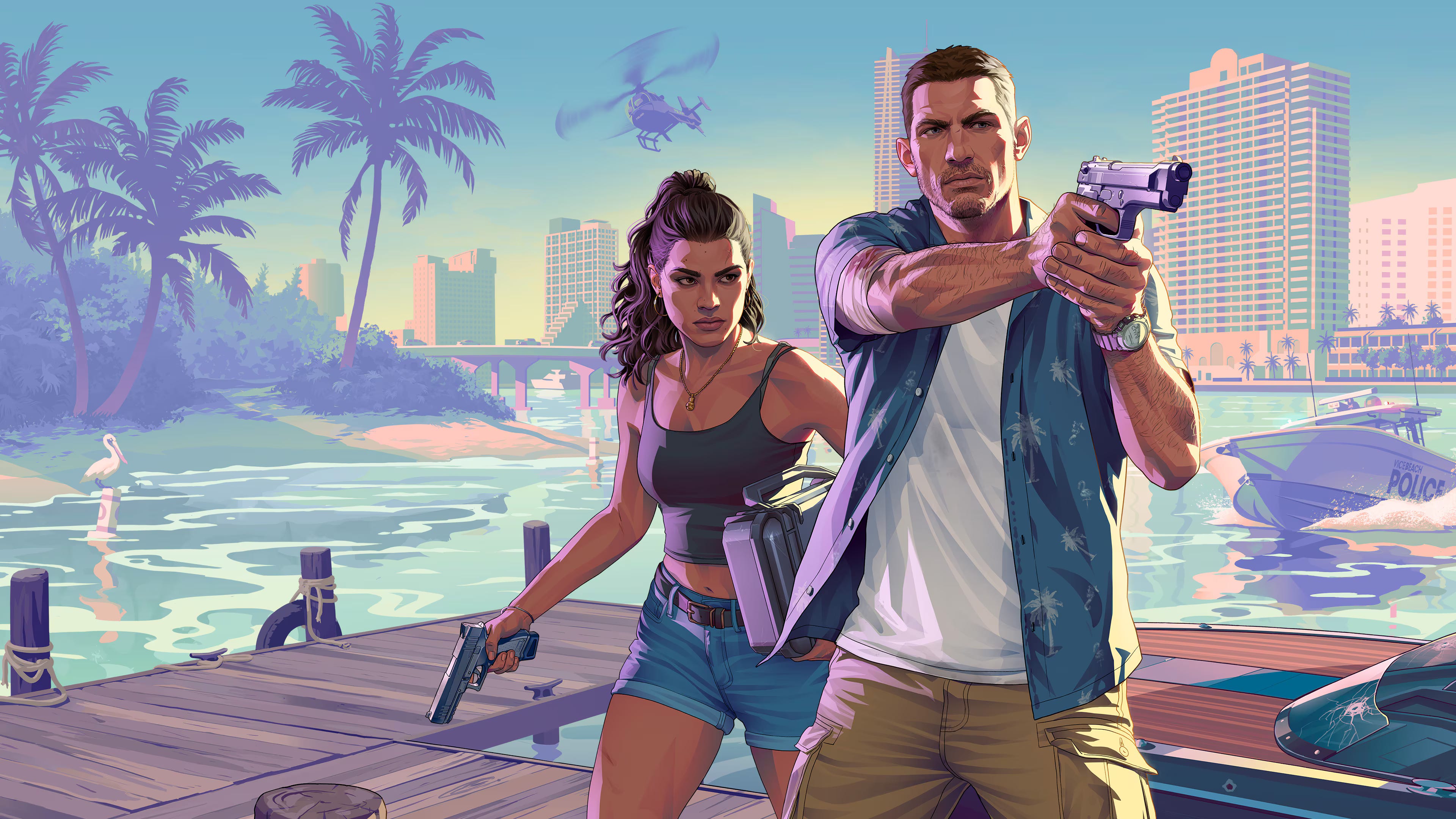
Prediction 1: Grand Theft Auto VI is an awe-inspiring but era-ending success story
Dichotomy central: Grand Theft Auto VI will almost certainly release in November 2026. When it does, it will simultaneously be the biggest Triple A release in video game history and mark the end of a period of video game history as we know it.
Multi-billion-dollar baby: It’s hard to know exactly how much cash Take-Two and Rockstar will make from the crime caper. But the reasonable guest is “loads”. Boffins suggest that it’ll swipe the best part of $3bn from excited players in opening week sales alone, generating enough income to single-handedly push the $197bn global games business past the aforementioned $200bn barrier. It’ll also provide a long-term bump to the wider market, increasing the console install base in a way that hardware makers and other game publishers will be grateful for.
End of an era: Its success, however, will be akin to Paris St Germain’s £200m+ purchase of the footballer Neymar in 2017: a financial aberration that won’t be repeated for decades. The game’s billion-dollar budget is a product of GTA’s unique position in the industry, not a target for any business to aim for. Its decade-long development cycle is an indulgence few can follow. Questions linger about whether the new release will convert or cannibalise the user base of the long-lived GTA Online: the real money-maker that has given Rockstar room to manoeuvre.
Luxury items: There’s no doubt in my mind that GTA VI will be a massive hit when it releases, dominating playtime, spend, and attention. But will it also be the game that confirms the ‘traditional’ console model is now more of a luxury targeted at older players in a handful of long-established markets? I bet that it will.
Prediction 2: China becomes the centre of the video game world
China rises: GTA VI’s era-ending success matters because it’s taking place at the same time as America’s position as the world’s video game power is supplanted by its main rival: China.
Big numbers: You could argue that it is already on top of the video game world. China is the biggest market in the world in terms of revenue ($53.2bn) and player count (723m), according to Newzoo. Tencent has been the biggest (or one of the biggest) game publishers in the world since 2017. Releases like Honor of Kings, Genshin Impact, and Black Myth: Wukong have shown the depth of talent and range of business models that the market can support (whether at home or abroad). There’s still enormous room for revenue growth in the territory, both as the population gets richer and through sneaky grey market growth on PC via Steam Global (where traditional Chinese is now its largest language).
Avoiding the slowdown: But there are two reasons why China is likely to turn its lead over America into dominance. Despite a better-than-expected 2025, the global games industry is still only forecast to grow roughly in line with inflation until 2030. The Chinese games market, as well as Chinese-speaking markets across South East Asia, offers the most obvious pathway to growing game revenue. The region is also well placed to become a main hub for game development, providing developers with highly-skilled and comparatively low-cost talent with greater alignment to China.
Protectionism for the win?: Additionally, China’s protectionist, and just occasionally authoritarian, policies towards its games industry give it strategic control over the sector. The challenges of accessing the country’s regulated market - which requires following all kinds of rules around company ownership, data headquartering, and in-game creative content - ensure that approved gatekeepers like Tencent will grow their position in the market further. And while the country’s willingness to turn a blind eye to grey markets allows plenty of other games into China, especially on PC, the always-present possibility of a crackdown on game content keeps everyone on their toes.
Caveats aplenty: This doesn’t mean the country will emerge as the world’s video game superpower without its fair share of challenges, of course. The Chinese Communist Party’s tight grip on power in China means it will trade off economic growth for political discipline if it deems it necessary, as seen in the numerous video game crackdowns between 2017-2022. China’s protectionist policies have given domestic developers control over the market, but clamped down on their creative freedom through content restrictions in a way that risks limiting their international reach. Growth isn’t a guarantee either, with Reuters reporting that the country is on track to miss its 5% annual growth target by a couple of percentage points.
Centre of our universe: However, these are brakes on China’s games market growth rather than hard barriers to it. And if it does become the superpower of the video games industry world, expect the industry to draw ever closer to its orbit in the years to come.
Prediction 3: “Thesis” led publishing to win big in 2026
Theorise to monetise: The maturation of the video game consumer market, the consolidation of video game publishing through acquisitions, and intense competition due to a glut of video game releases have made the industry even harder to operate in. But one group will benefit from this new reality: thesis-led publishers and developers.
Massively reductive explainer: For much of the past decade, digital game publishing has felt generic. Of course, individual publishers have often had differing vibes, specialised in certain platforms, or supported distribution in certain territories. But when the market was growing like the clappers, publishing functions were generally pretty generic: developers pitched game ideas, publishers shoved cash towards them depending on the functions they’d fulfil, and everyone broadly fished for the same kind of content.
Inspiration elsewhere: Maturation, however, makes that model incredibly challenging for all but the biggest players. In other creative industries, saturated competitive markets forced companies that fulfilled ‘publishing’ roles to specialise. Music industry labels like Trojan Records found markets for reggae. Beloved (and long rebranded) TV production company Endemol specialised in formatted programming like Deal or No Deal that could work across the world. Wildfire, the imprint of Headline that my book is being published in, publishes work from subject-matter experts that they think can catch fire (insert your own joke about me being a subject matter expert here).
Multiplying success: Therefore, I think similarly “thesis-led” video game publishers will likely reap rewards in a mature market in the year ahead. Publishers like Hooded Horse (deep strategic and tactical games), Fellow Traveller Games (narrative titles), and Raw Fury (which emphasise an ‘unpublishing’, art-centred approach) have the strategic advantage of clarity. Developers know who they’re going into business with. The publisher’s staff has a clearer idea of what they need to do to succeed. Players are more likely to be drawn to other games within a portfolio, creating a multiplier effect for the publisher’s business in the process.
Disciplined storytelling: In short, a more competitive market means businesses need more discipline. And thesis-led publishers with a tighter argument of what they’re publishing, the niche they’re selling to, and why they think that’ll deliver repeatable success will be primed to win big in the years to come.
Prediction 4: Steam will drop its ‘Made with AI’ label from its storefront
Declaration on AI-rrival: Since January 2024, Steam has required game developers who list on its storefront to declare how they use generative AI within the development of their games. By the end of the year, I’m guessing that the public declaration will be significantly amended or completely shelved by Valve.
Love and hate: The reason for the prediction is simple: it’s becoming a growing commercial risk for the platform. On the one hand, vocal players online hate generative AI on the basis that they believe (often correctly) that it’s deployed cheaply to undermine creative talent in the games industry. But on the other hand, game companies are definitely experimenting with their usage across their production pipelines: from mundane day-to-day usage of large-language models for generic backroom tasks to much more controversial content production.
Unvirtuous cycle: This presents a clear problem. Game companies that use generative AI must declare that they’ve done so on Steam. This feeds outrage amongst players, likely impacting sales at least slightly. This then hits more businesses as its adoption increases. And this puts Valve in the unhelpful position that a content disclosure designed to enhance player choice actively risks damaging its own business. We know from previous content squabbles with payment providers over sexual content that Valve hates that.
Label maker: I would predict that Steam’s AI content disclosure may not be long for the world. The question is what replaces it if it does go. The smart solution would be to build granularity into the disclosure process to create a ‘sliding scale’ of generative AI usage (e.g. generating a few lines of text versus generating entire words) to guide payer choice. But given possible complexities around building such a system, I wouldn’t be surprised if Steam dropped the disclosure altogether: riding out short-term public fury in return for a more comfortable time in the long-term.
Prediction 5: A major games publisher will acquire a Roblox studio
Building ‘blox: Roblox is in a strong place heading into 2026. Despite suffering the kind of headlines that might sink another business, it continues to grow. It recorded over 150 million daily active users in its last quarter results. Leading experiences like Grow A Garden have become big enough to smash industry records for most players online. And it has started to generate enough revenue to justify its market cap of approximately $56bn, making it nigh on impossible for another games company to acquire it.
Buy, buy, buy: So rather than buy the platform, I predict that one of the top publicly listed video game companies in the world will do something else: they’ll buy a studio with a track record of creating world-leading Roblox experiences instead.
Experience with Experiences: Strategically, it makes sense for the same reason that Activision Blizzard bought King in November 2015. Buying a studio responsible for major Roblox experiences would bring a mixture of expertise in the market, access to the audience, and knowledge of the space that few traditional games businesses currently have. And while such businesses could invest time, effort, and money into building their own presence, anyone with cash floating around would likely be better off bringing experts in directly.
Bang for Robux: Handily, I also think that the right acquisition would likely be cost-effective too. Roblox may be huge in its own right, but the scale of it compared to, say, King’s presence within the global market is low. And even though there have been some acquisitions of Roblox titles on the strength of their reputation and audience reach (e.g. Voldex buying up Brookhaven in February 2025), the average Roblox studio will be relatively cash poor compared to, say, a social mobile gaming giant, making an acquisition attractive to the right buyer.
Prediction 6: There will be another ‘political’ acquisition or investment into a games business
Power Play: Finally, and keeping well within the interests of this newsletter, I think we will see another example of a games business receiving investment or being acquired for political purposes.
Political purchases: Over the past five years, we’ve seen growing interest from autocracies in being invested - literally or politically - into games businesses. Vladimir Putin ordered his government to fund the development of video games via the Institute for the Development of the Internet in September 2023. One month later, the Chinese government took up its option of a ‘golden share’ in Tencent to give it a seat on its board. And Saudi Arabia’s Public Investment Fund’s purchase of Electronic Arts with the help of Jared Kushner landed itself on a recent New York Times explainer linking financial deals to the political priorities of the Trump regime.
Art of the deal: And while I have no reason to believe that any party is currently planning to invest in a games business, this would be a good year to make another one. The Trump administration is likely to remain unconstrained until midterms, opening up a window for deals to be done. Regulators are unlikely to scrutinise the acquisition of games companies for foreign influence concerns in the current political environment, especially regarding American businesses. And despite all the challenges of the past few years, the biggest game companies make bank and reach vast audiences: an attractive proposition to the more, ahem, “self-interested” political elite popping up around the world.
Plenty of players: So, whether it’s the PIF deciding to jump on Discord’s rumoured IPO, the Ellisons finding themselves in control of Warner Bros’ game studios, or Elon Musk deciding it’s too hard to build a games company from scratch, someone will make a ‘political’ investment into the industry. And if they do, I’ll do the media round to end all media rounds to celebrate my sagacious judgment.
VGIM’s 2025 Predictions - Rated for your amusement
Last year, I offered up my predictions in the form of five answers to questions shaping the video games industry.
Here’s how I fared over the course of 2025.
Grand Theft Auto VI will release at the end of 2025 - Wrong, and spectacularly so.
The Nintendo Switch 2 will sell well, but not as strongly as its predecessor in year one - Wrong, but generally within the ballpark.
Video games businesses will get into legal/regulatory hot water - Correct, thanks to US state attorney generals hating Roblox and the Online Safety Act.
The Esports Olympics will be used for video game washing - Wrong, the Esports Olympics were cancelled (although the Saudi purchase of EA attracted the same criticism).
The video games media will be in better shape at the end of 2025 than at the start - Correct, largely due to the emergence of a new form of paid consumer and trade media.
Score: 2 out of 5? See you after class, Osborn.
News in brief - Out of Office Edition
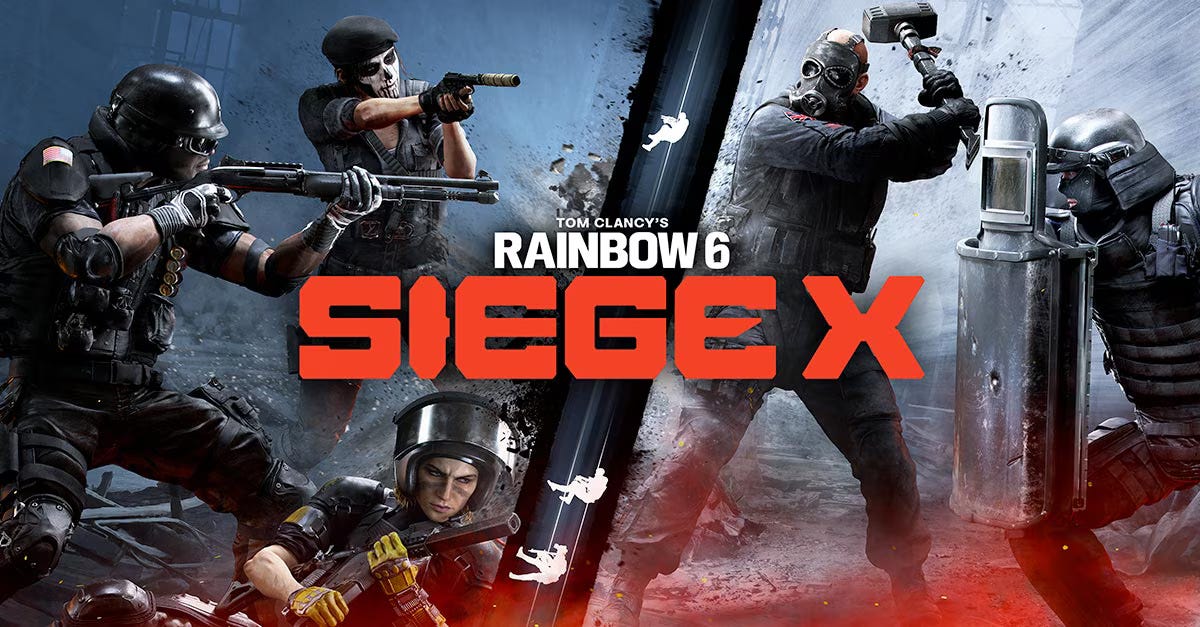
Under siege: Ubisoft pulled Rainbow Six Siege offline during the festive period following a hack attack. A currently unknown group allegedly banned and unbanned thousands of accounts, gave every player two billion in-game credits to spend, and posted defamatory messages via in-game interstitials. The game has since been hacked again this week, spamming players with multiple references to the Six Seven ‘brainrot’ that we’ve all learned to hate over the past six months.
Houston, we have a problem: A federal judge in Texas has blocked a law that would impose age verification requirements on the app store. Passage of the law, which would have forced app stores and developers to age-verify users and receive parental consent for purchases, was blocked due to concerns that it affected First Amendment rights to free speech. Expect this to make its way to the Supreme Court in the future.
In direct competition: Two countries took big steps to force app stores to allow third-party rivals to operate under competition rules. Brazil’s regulator CADE has established an agreement with Apple to open its store to third parties or risk a fine of 150m BRL (roughly $27m). Japan, meanwhile, has rolled out its new competition law, forcing both Apple and Google to allow users to access third-party stores in a manner akin to the EU’s Digital Markets Act.
Dubai on life: Dubai has established a new Gaming Committee as part of its effort to turn the United Arab Emirates into a new global games hub. The committee, which has been established by Dubai’s Multi Commodities Centre, plans to make the region more attractive to international talent and create new opportunities for investors and creators within the territory.
Sad news: Finally, VGIM wants to pay its respects to several video games industry professionals who lost their lives in the past month and a half. Vince Zampella, CEO at Respawn and co-creator of the Call of Duty series, David Rosen, the co-founder of Sega, Albert Penello, Xbox’s former Head of Marketing, Nick Thorpe, Retro Gamer’s Features Editor, and Patrick Dane, News Editor at This Week in Video Games, will all be sorely missed by their families, friends, and colleagues.
Moving on
Michael French of London Games Festival fame has been made an MBE in the New Year Honours List...Jo Cooke has been promoted to CEO of Frontier Developments…Ed Nightingale has hung up his journalism hat to join the games team at Premier…Trent Cotter has been promoted to the role of Ratings Manager at The Games Rating Authority…Adam Snook has joined Green Man Gaming as SVP for Content Acquisition, Publishing, & DMS…Yingfeng Ding has retired from his role as Executive Vice President and head of the Interactive Entertainment Group at NetEase after 23 years…And Toshiuki Itahana has left Square Enix after 25 years of hard work in the character and art design team…
Jobs ahoy
Epic Games needs a new Senior Product Manager, Moderation Automation…The Pokémon Company is hiring a Product Marketing Manager - Mobile and Apps in its London office…Logitech is on the hunt for an Esports & Partnership Marketing Manager…Wizards of the Coast has a post open for a Senior Producer in Austin, Texas…And Electronic Arts is hiring a Social Media Manager - Apex Legends in Vancouver…
Events and conferences
Pocket Gamer Connects, London - 19th-20th January 2026
DICE Summit, Las Vegas - 11th-13th February 2026
Guildford Games Festival, Guildford - 14th February 2026
devcom leadership summit, Lisbon - 24th-26th February 2026
Game Developer Conference, San Francisco - 9th-13th March 2026
Games of the year (that aren’t GTA VI)
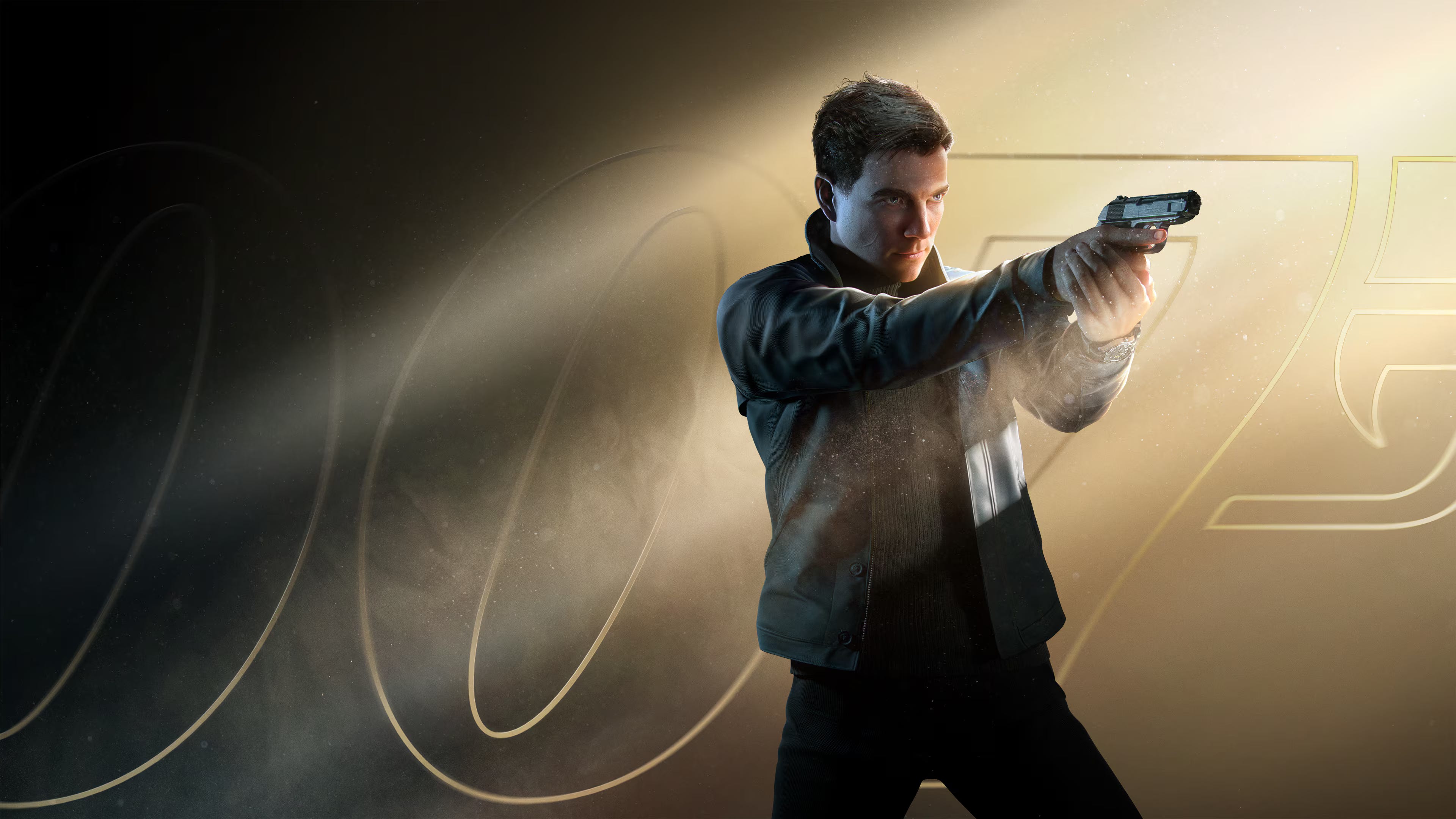
007 First Light - Remember that the name’s Bond, James Bond when the game releases in May 2026 (yes, it got delayed by a few months over Christmas).
The Duskbloods - New multiplayer title from the sickos that brought you Elden Ring and Dark Souls due at some point on Switch 2 in 2026.
Slay the Spire 2 - The sequel to one of my favourite video games of all time is…releasing in March, my birthday month? You spoil me, Mega Crit.
Before you go…
During the festive period, The Economist posed the question that we’ve all been waiting for the answer to: what if the best way to learn history is by playing with it?
Come for an interesting piece about the extent to which strategic video games like Europa Universalis can develop a nuanced understanding of history.
Stay to understand exactly why I ended up doing a history degree after years of playing Rome: Total War.
Keep up with VGIM: | Linkedin | Bluesky | Email | Power Play |
very interesting!
I'd like to see a global productivity chart the day GTA 6 launches