

VGIM Game of the Year 2025, 18/12/2025
Clair Obscur, Blue Prince, Silksong, and Mario Kart all made the good list

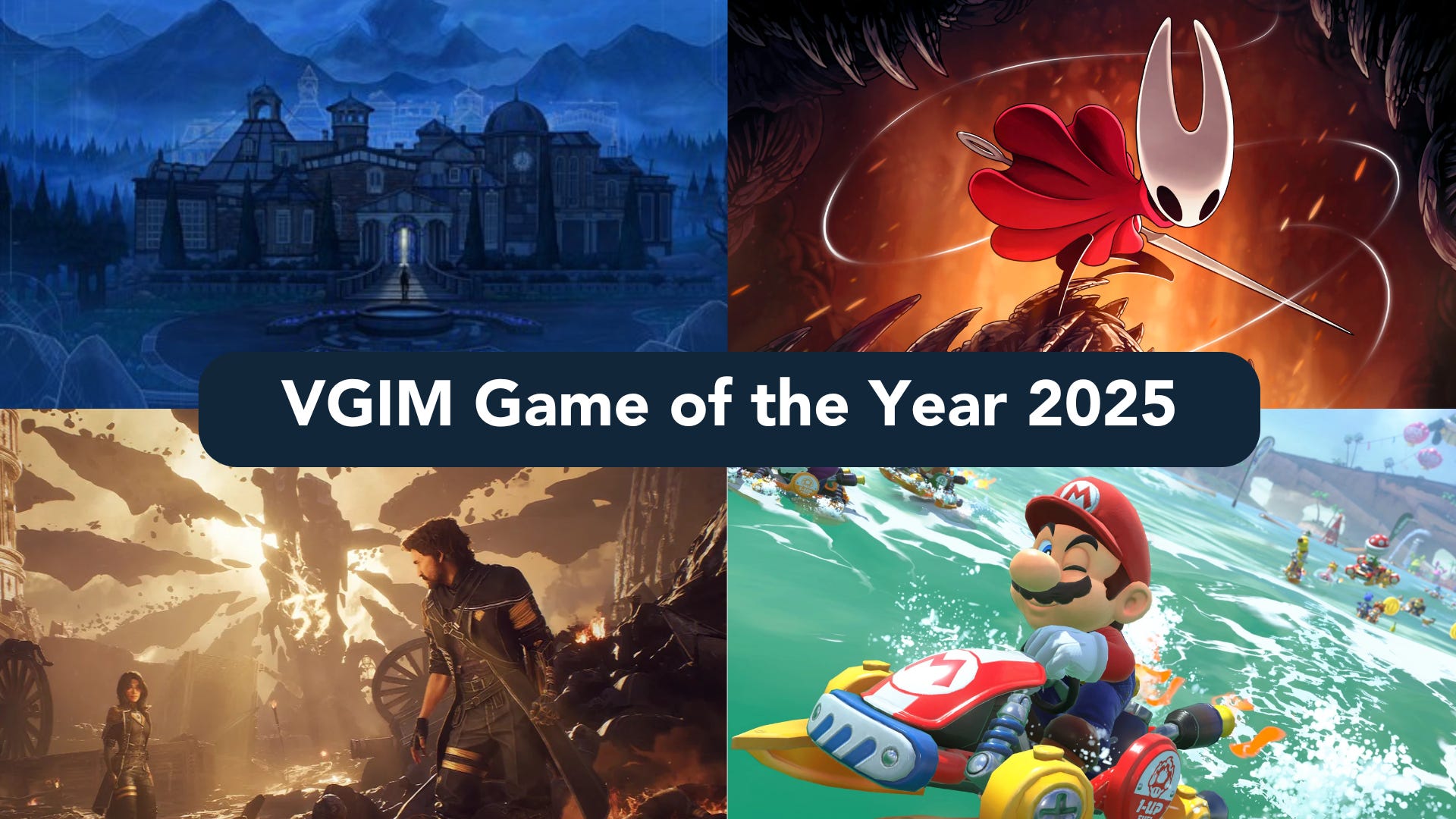
The VGIM team and readers pick their games of the year
We tip five great games that our readers SHAMEFULLY didn’t review
And George tries to flog pre-orders of his book in time for Christmas (2026)
Hello VGIM-ers,
Welcome to the Video Games Industry Memo Game of the Year newsletter!
As is tradition, we do Game of the Year a little differently from other publications. Alongside our picks for the top games of 2025, we invite our readers to submit their reviews to give them a chance to reach thousands of people with their words and recommendations.
So without further ado, let’s run down the top video games played by Team VGIM and our readers over the course of the past year.
The big read - VGIM Game of the Year 2025
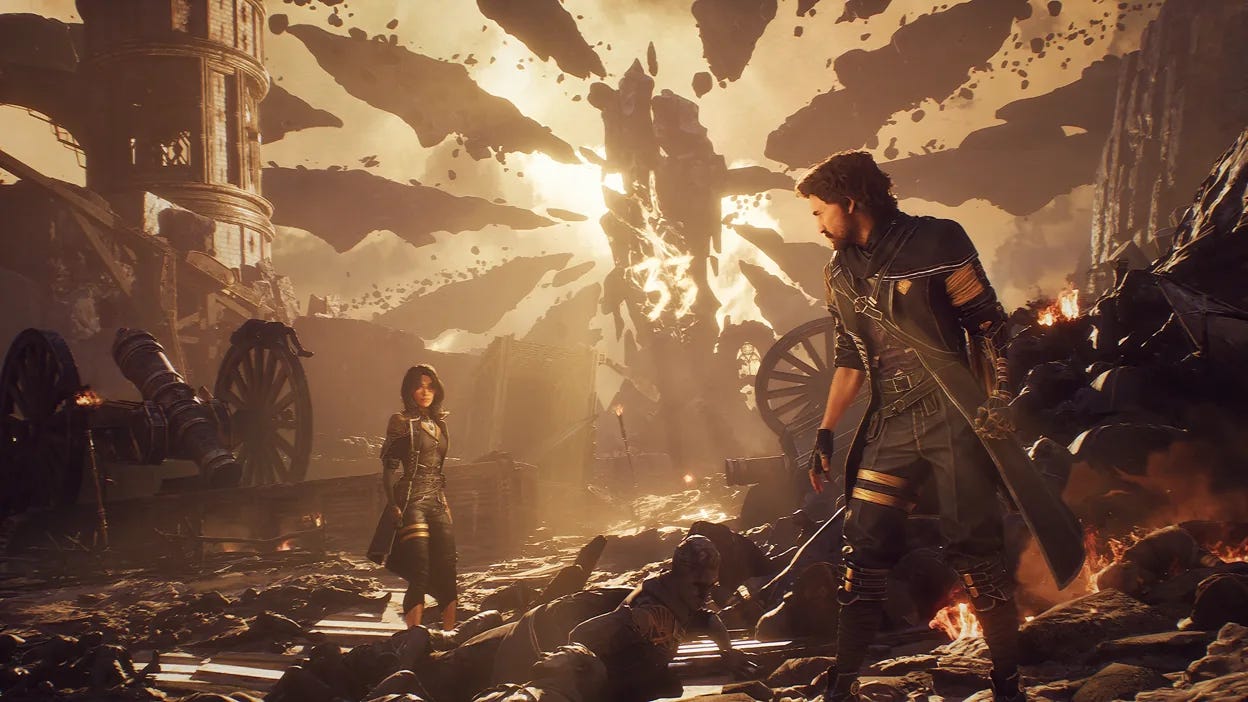
Clair Obscur: Expedition 33 - Siân Mayhall-Purvis
I’m not typically a turn-based RPG girl, but I gave Clair Obscur: Expedition 33 a try after a friend insisted. I usually find enemy encounters repetitive in a way that doesn’t click for me. This game totally changed that.
Every time the Expeditioners stride into combat - Maelle twirling her sword, Monoco stomping his staff, Verso swaggering in like victory is a given - I’m buzzing for battle. The combat is all about finesse! …and! …precision!, and this time the repetition hits for me. Can I execute this encounter perfectly? Without taking damage? I finally get why you sickos like turn-based combat. When the jazz-metal-classical score is soaring, Maelle is spinning through the air, and you land a parry with that sonic boom…? Exhilarating! It makes me feel effortlessly powerful.
What hooked me first, though, was the world. One minute you’re parkouring across stunning Lumiére, and then within the first hour, you’re weeping over characters you only just began to discover. Every character is enchanting, brought to life by outstanding vocal and motion-capture performances. I want to live in a world where Esquie exists! The storytelling is layered, deliberate, and never spoon-fed, and I loved piecing the mystery together myself.
Everything in Expedition 33 oozes style: the combat, the environments, the costume design (!), the baguettes (!!), the music (?!). Each area has such a strong identity that a screenshot or musical cue tells you where you are. I combed every inch of every environment to uncover its secrets and to spend as long as possible soaking it all in. And to hear Lune say “an advantage” at every opportunity.
This is a world I didn’t want to leave… and you can guess which ending I chose. Clair Obscur: Expedition 33 is not only my GOTY, but it’s earned a place in my all-time favourites.
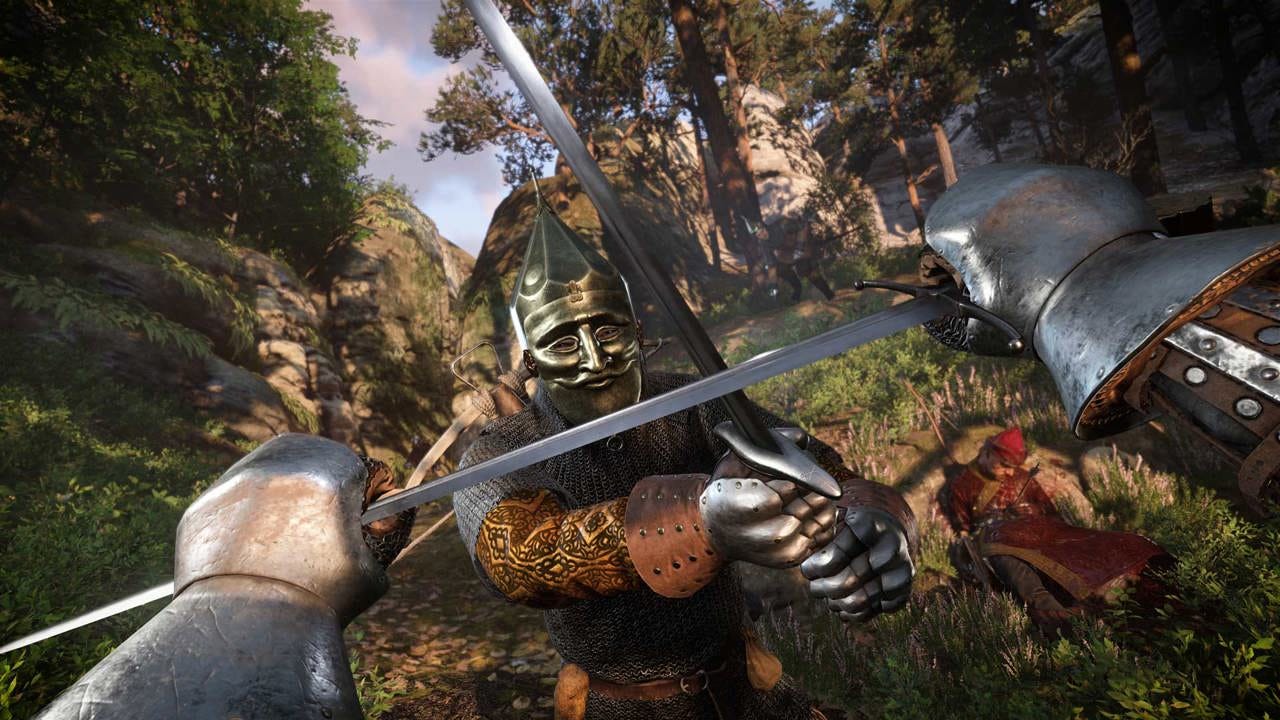
Kingdom Come: Deliverance 2 - MJ Widomska
You may be used to seeing the Middle Ages in media as a time of violence and pestilence, with mud up to your knees, livestock running around freely and perpetual rain (to generate the mud, of course). Everyone is dirty, unwashed and generally quite miserable, and the only entertainment comes in the form of an occasional witch burning – which is an Early Modern thing, but who cares about historical accuracy!
Well, Kingdom Come: Deliverance II cares about historical accuracy, but in a really fun way. You’re not in for a boring history lesson – the Middle Ages were as much a time of violence and pestilence as they were a time of elaborate celebrations, wacky humour, and not taking yourself too seriously. Warhorse really manages to capture the charm of the time, the kind seen in manuscript doodles and Chaucer, and turn it into an excellently executed immersive experience.
Everything about the game feels good: the exploration of the villages and forests of Bohemia is a genuine pleasure, the narrative is gripping enough, but not so gripping as to lead you away from enjoying the open world, the combat feels logical, the characters are memorable, and they ring true to the Middle Ages. It’s a rich world full of compelling stories, and Warhorse made sure that those excluded from the usual medieval narrative got their say, too: we hear from Jews and the Romani people, among others. Having dedicated many long hours of my life to medieval history, it brings me great joy to see a game take on it that reflects the increased academic interest in the lives of ordinary people of the time.
Don’t think you need to be a medieval nerd to love it, though – historical immersion aside, it’s still an excellent RPG.
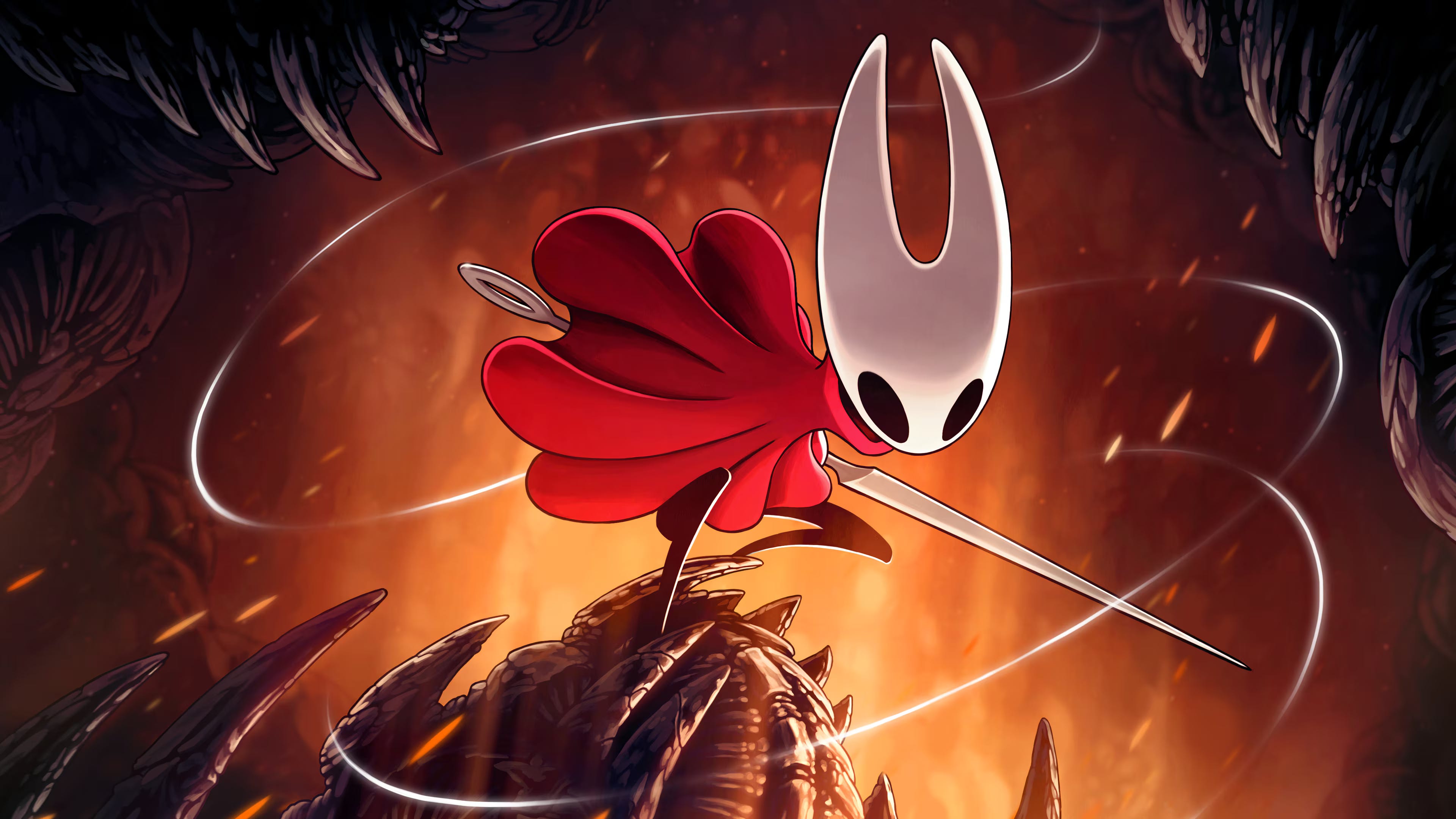
Hollow Knight: Silksong - George Young
People will tell you that Silksong is the greatest game ever, or needlessly punishing, and there’s no in between. Usually, I would blame the developer for not signposting correctly, but Silksong is the exception. If you think Silksong is too punishing, you just aren’t listening.
Everything that annoys people: the double damage, resource management, and lack of health bars are begging you to find another way. It’s a masterclass in telling you to find an unexplored path. There are no level-ups, but maybe you’ll find a new crest, a new tool, a new mask shard that will help you pass a previously impossible-seeming challenge, and victory will feel all the sweeter when you return.
Silksong is my cosy game. The world is obviously horrifying, but that’s what makes it all the more beautiful. There is heart in Sherma’s song, respect in Shakra’s dedication, and joy in how the fleas face the apocalypse.
It rises above even this when your heart breaks with the bosses. Whether it’s how Trobbio calls out his own name in lament, the glimpse of Karmelita at her prime, or the fleeting synchronicity the Green Prince shares with his love, the gameplay mirrors the story. While difficult challenges are gruelling to do and elating to pull off, story beats leave you guilt-ridden when they conclude.
Silksong gripped me in a way that Hollow Knight didn’t, and I don’t think it’s just the spike in difficulty or how cute Hornet’s cape is. I think it’s the way that the story and gameplay are greater when whole. If Hollow Knight’s Mantis Lords boss fight is a masterclass in gameplay, then Silksong as a whole is the perfect recipe for how to marry gaming’s two faces.
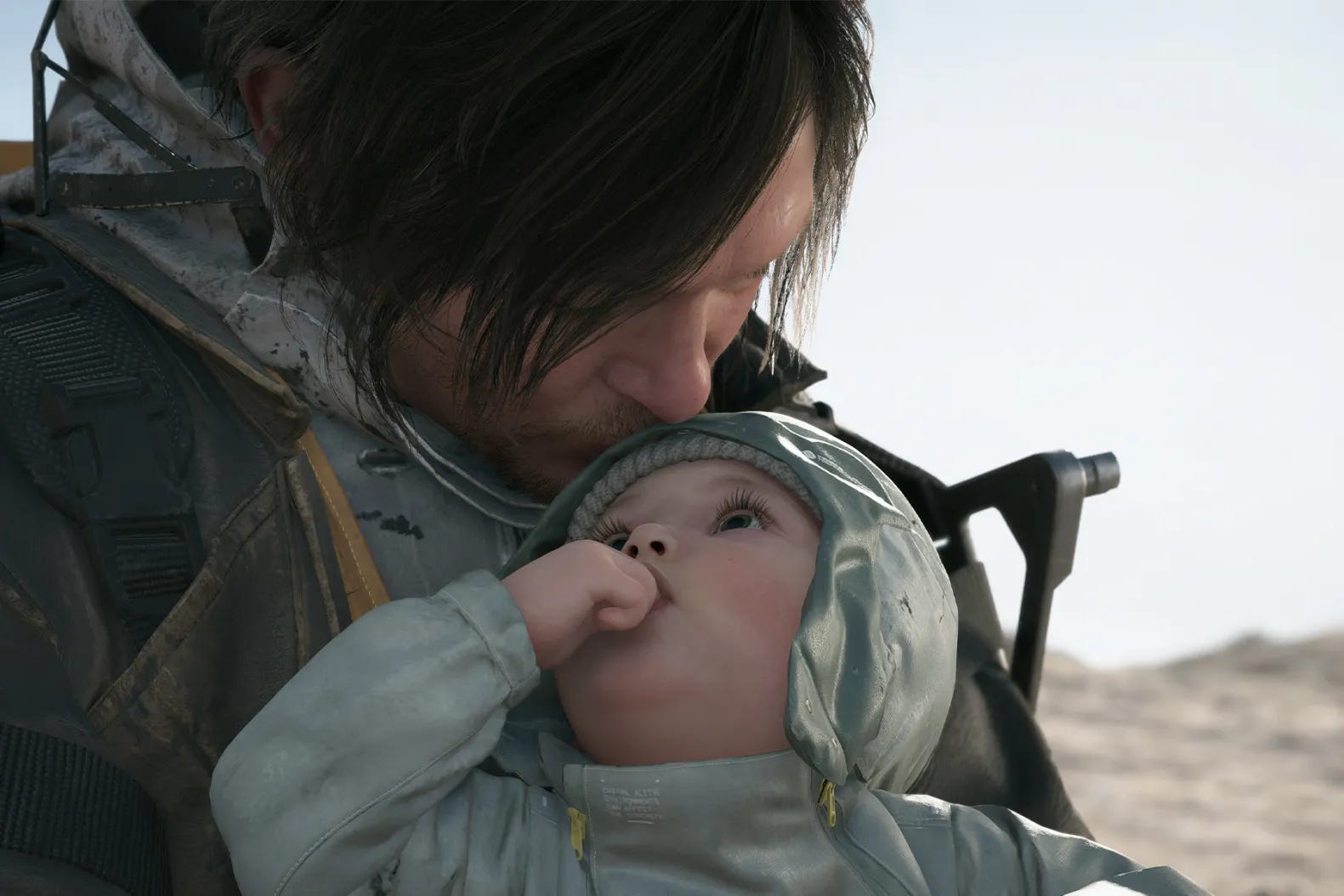
Death Stranding 2 - James Whatley
There are several standout, nay jaw-dropping moments in Death Stranding 2. The game’s opening cut-scene that casually moves into gameplay and immediately grabs you by the balls and makes you go WHAT SORRY WHAT.
Or maybe the opening of Episode 5 (with the Catherine wheels, you know the bit) and I must admit - at this point I happened to be playing this on a PS5 Pro wired up to a 77” OLED TV - that I just sat and watched it for ages before advancing…
Or maybe the two [redacted] episodes where I full-on ugly cried because the game - THE GAME! - does something that completely rips your insides out. Twice.
I hope you play it. I hope you get to it without spoilers. And I hope you find time in the break between signing off in 2025 and returning in 2026 to just sit down and marvel at the sheer magnificence of a game that Kojima-san has delivered.
We are lucky to have him.
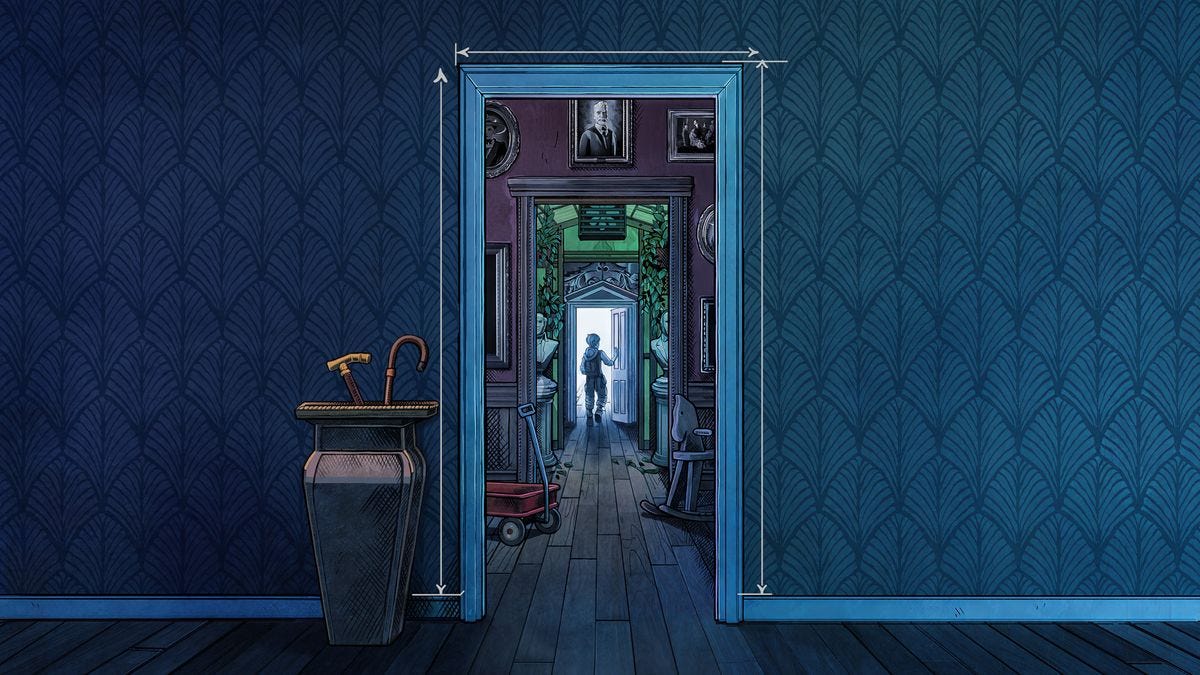
Blue Prince - Anna Mahtani
Blue Prince is a game about blueprints (GEDDIT?!)
Brimming with puns, puzzles and political fables, Dogubomb’s debut title is a game with as many layers as a freshly baked croissant.
When he inherits Mount Holly Manor from his eccentric uncle, Simon must discover the estate’s secret room or risk forfeiting his inheritance.
The game appears straightforward: roll a dice, draft a room, discover its secrets. But as you navigate the ever-changing mansion – through gardens and ominous red rooms – the mystery at the heart of Blue Prince bleeds beyond the bounds of the game into your waking life.
I played it with my boyfriend, and my best friend, and my best friend’s boyfriend, and nothing could outdo the thrill of solving a new clue from our sofa or uncovering thereto unseen room.
With delicious visuals, moody melodies, and a playfully cruel sense of humour, this metroidbrania slots snugly between Return of the Obra Dinn, Outer Wilds, and Immortality.
And whether you’re struck by an obsession for problem-solving, or slowly meandering your way through, Blue Prince is a delightfully gruelling game that’s sliced up into bite-sized chapters which will leave you craving more.
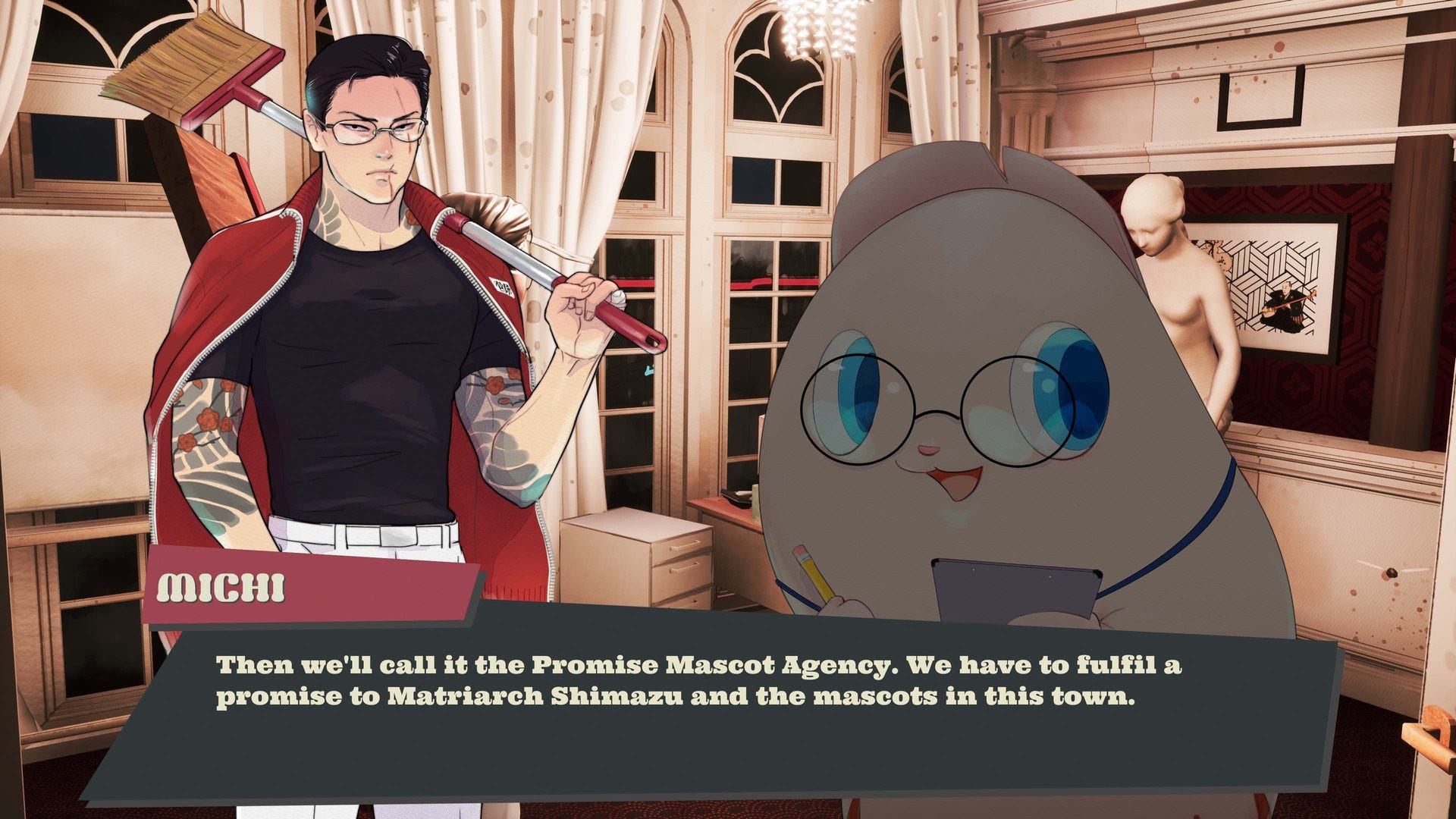
Promise Mascot Agency - Hiero de Lima
2025’s biggest and only “open world mascot management crime drama” wears its influences on its felt/flesh sleeve: the Yakuza series, of course, as well as all the bibliography it draws from, between Takeshi Kitano’s Sonatine and Takashi Miike’s Yakuza Apocalypse. What it brings to the table — and what keeps it from being just a curiosity — are the deep personal ties.
British studio Kaizen Game Works incorporates into this very Japanese adventure, co-developed with Unseen Games’ Ikumi Nakamura and Mai Mattori, between small town politicking, feminist critique of gender roles in crime stories, and a much more hopeful outlook of societal change than in their debut, Paradise Killer.
The freakish outcast mascots and people of Kaso-Machi, unlike already-dying Island 24, not only have a real fighting chance at securing a decent future — they’ll seize it with their own two hands (or lack thereof).
Protagonist duo/manzai act Michi and Pinky, through smashing their kei truck into every obstacle they face and recruiting people all over town to help their mascot employees deal with such blights as stalkers, vengeful mountain spirits and normal-sized doors, are the living representation of the game’s thesis: liberation isn’t pretty, and it requires a lot of money and boring busywork, but hell if it doesn’t pay to secure your community’s dreams.
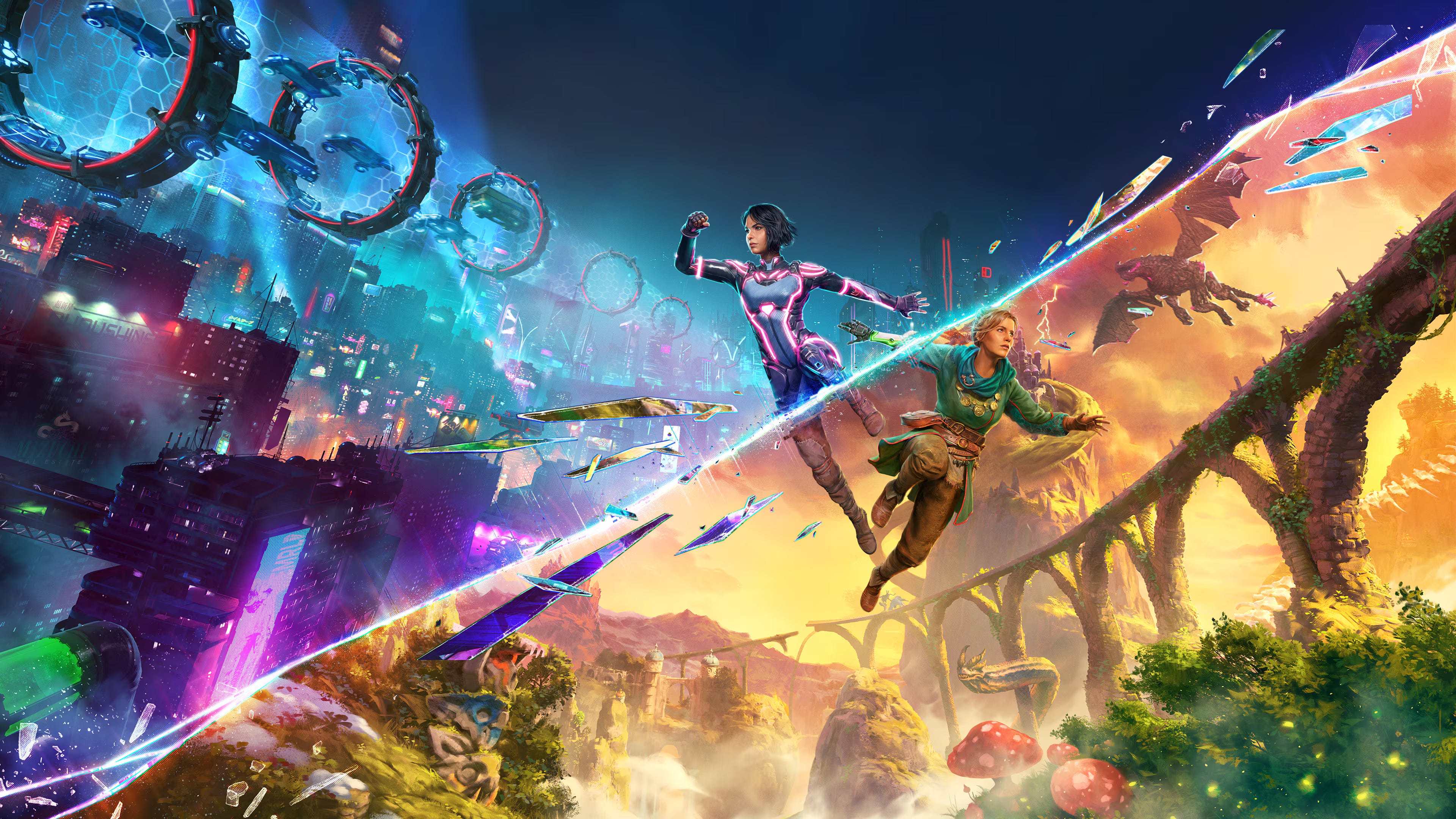
Split Fiction - Dr Celia Pontin
My husband may be surprised to hear that I adored Split Fiction, given that he spent 15% of it twiddling his thumbs while I primal screamed about my inability to time wall-runs and aim a dragon.
I generally avoid games requiring hand-eye coordination (since I have none), but Split Fiction was compelling, and I couldn’t pass it by. The narrative is solid and weaves the game together well, but the star of the experience was the sheer breadth of gameplay.
Alongside the main ‘do parkour through 3D scenery’ mechanic, the brilliant mix of other play styles and graphic design really satisfied my constant need for novelty.
Sure, not every level was my vibe, and I was glad to get to the end of anything requiring accurate shooting, but that’s just a matter of taste (on that point, varying tolerance for puerile humour meant that roleplaying as a flatulent pig made for a moment of split opinion).
The headline co-op approach is, of course, what really sold it. It opens up novel ways to use otherwise commonplace mechanics and enabled my standout favourite section towards the end, where the boundary between worlds fractures and warps.
What I love about video games is their ability to tell stories in ways that linear media can’t, and although Split Fiction doesn’t have a branching storyline or ask the player to make difficult choices, it’s an excellent example of how the interactivity of games can enhance and uplift a narrative (and vice versa).
A joy to play and a wonderful experience to share.
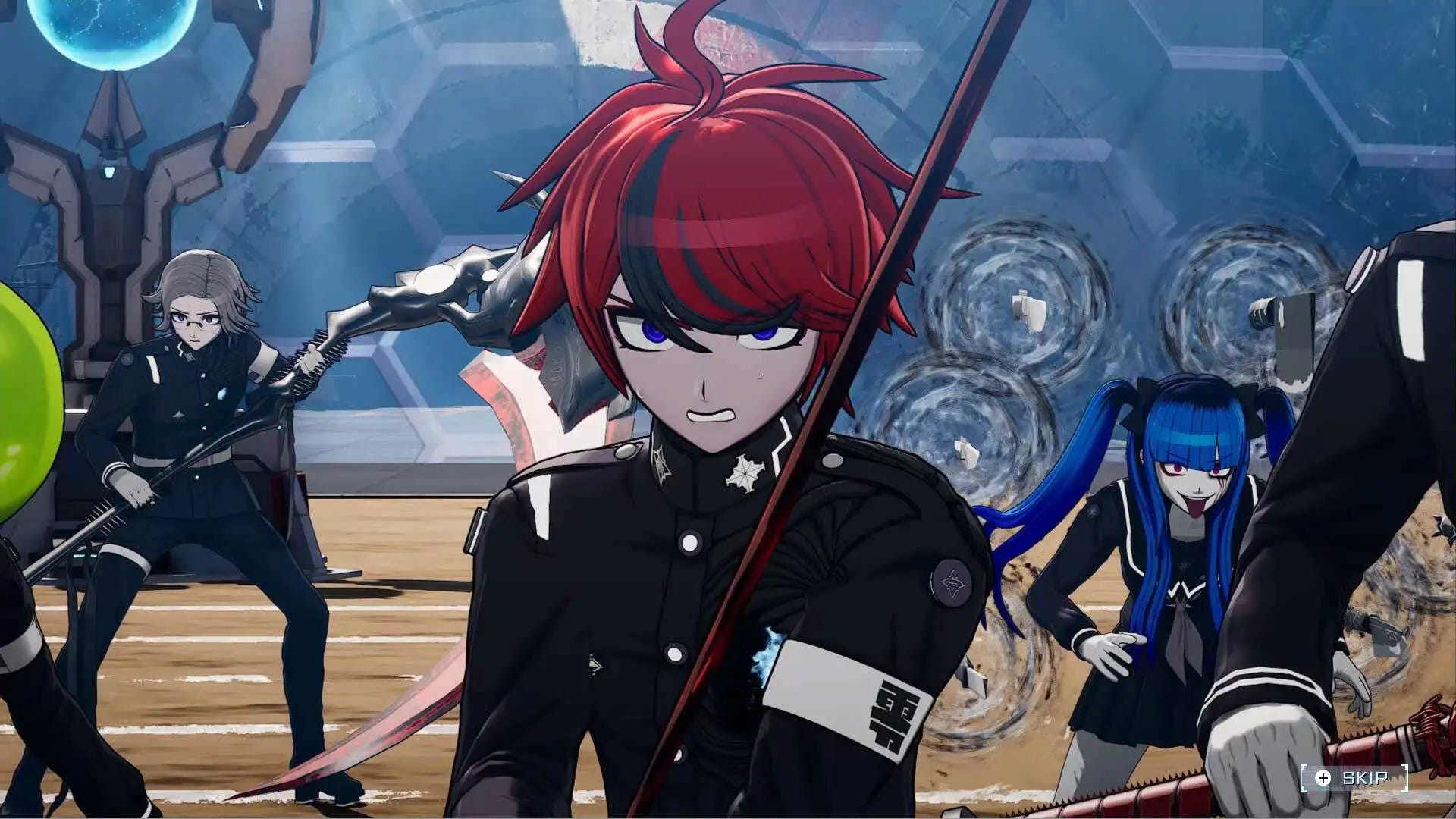
The Hundred Line: Last Defense Academy - Michael Beckwith
The idea of a game with 100 unique endings sounds like something you’d come up with as a kid when you have little understanding of how game development works. So, it is quite fitting that directors Kazutaka Kodaka and Kotaro Uchikoshi, both famous for crafting outlandish premises for their games, actually went and did it.
This is ultimately the key hook of The Hundred Line: Last Defense Academy. The core of it is a war story where a gang of Japanese teenagers are enlisted to fight a bloody war against mysterious invaders to reclaim the Earth for humanity, but throughout its branching narrative, you are given choices that can direct the flow of the story in major ways. Even the genre shifts, with the war story becoming a backdrop to a screwball comedy or a slasher horror.
Not every ending is a winner, admittedly, with a significant chunk being typical bad endings seen in visual novels, but the characters and their varied, conflicting personalities help carry you through. All of them get moments to shine and are endearingly flawed in their own ways, which leads to some terrific character dynamics.
This is wrapped up in a Fire Emblem-esque strategy game that’s approachably simple for newcomers but offers a lot of depth for genre veterans, especially as you unlock more abilities for each character. The option to sacrifice teammates for extra powerful attacks makes for a great risk versus reward system and feeds into the narrative interestingly.
The Hundred Line is a quintessential example of a game that feels uncompromised; one that achieved everything it set out to do. And for that sheer audacity, it should be respected, admired, and certainly discussed more often among 2025’s best games.
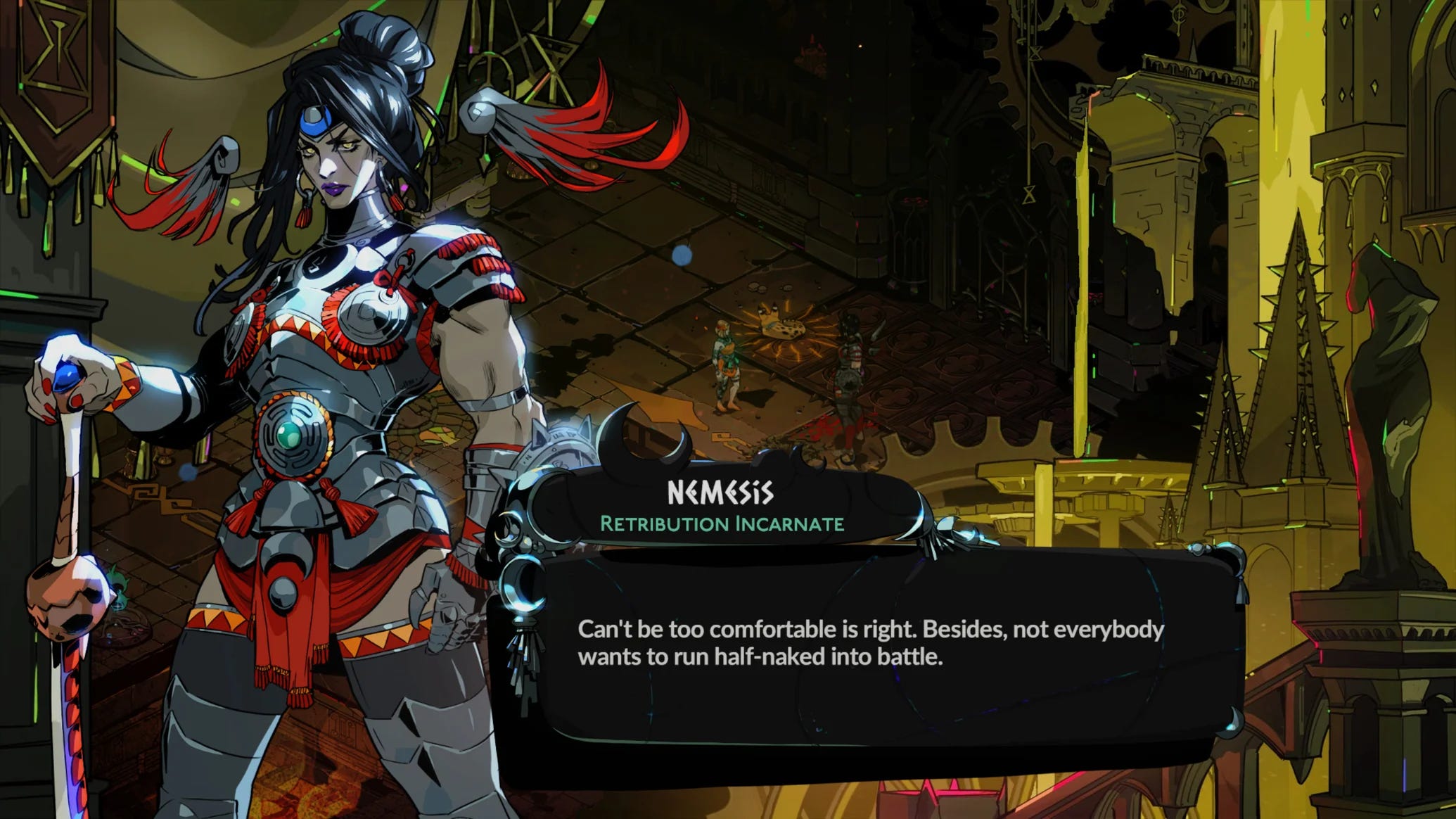
Hades 2 - Jonas Gawe
When I descend into the depths of the underworld, ready to face blood, beast and band for the 67th time, I do it not out of obligation or revenge. The needs and wants of my family are important, yes, but what truly drives me is my unflinching desire to see what the sirens will say about my latest keepsake, what Poseidon will think of my weapon choice, what breathy response Narcissus will have to this latest offering of Nectar.
Hades 2’s real gift, beyond the phenomenally good combat, gameplay loops, in-game rewards, environments, music, boss battles, etc., is the way in which it weaves compelling narrative and interactions throughout its gameplay. Nothing tees me up for another run of “getting my ass beat by Ben Starr’s voice cosplaying an even hotter man than I’m already used to“ than knowing he might comment on my choice of boons or latest story development. It almost makes me wish I could give gifts to the bosses, just to hear them compliment me a bit more before beating my poor choices into a shadowy pulp.
It’s genuinely surprising to me that after all the time I spent in Hades (one), I wouldn’t have grown tired of Demeter vaguely threatening to starve all of mankind through an ice age. And yet Supergiant somehow make those interactions so compelling that it’s practically carried me through their latest creation. Now that I think about it, I can’t wait to find out what Nemesis thinks of this review.

Nintendo Switch 2: Welcome Tour - Matt Honeycombe-Foster
Look, I’m an idiot. But you can’t stop me.
This year was a HARD year personally, but I, honest to God, had some of my happiest gaming memories taking a little bland Nintendo product placement museum with me on the train, listening to muzak and learning about vents.
While all the bores were whining about paying two cups of coffee for a tech demo, I was BASKING in the new console feeling. Switch 2 madness took hold of my brain this year in a way I can’t remember since the GameCube launch, and this was my little happy place to really geek out in a storm.
It’s not for everyone, but to a very specific genre of Nintendo dweeb who wanted a dialogue with the hardware designers of a company famed for its secrecy, this was worth the asking price.
I’ll never play it again, but I’ll never get to unbox a Switch 2 again. Like life, it was a fleeting, silly pleasure, and I will be taking no further questions at this time.
(Unless they’re about magnets, of course).
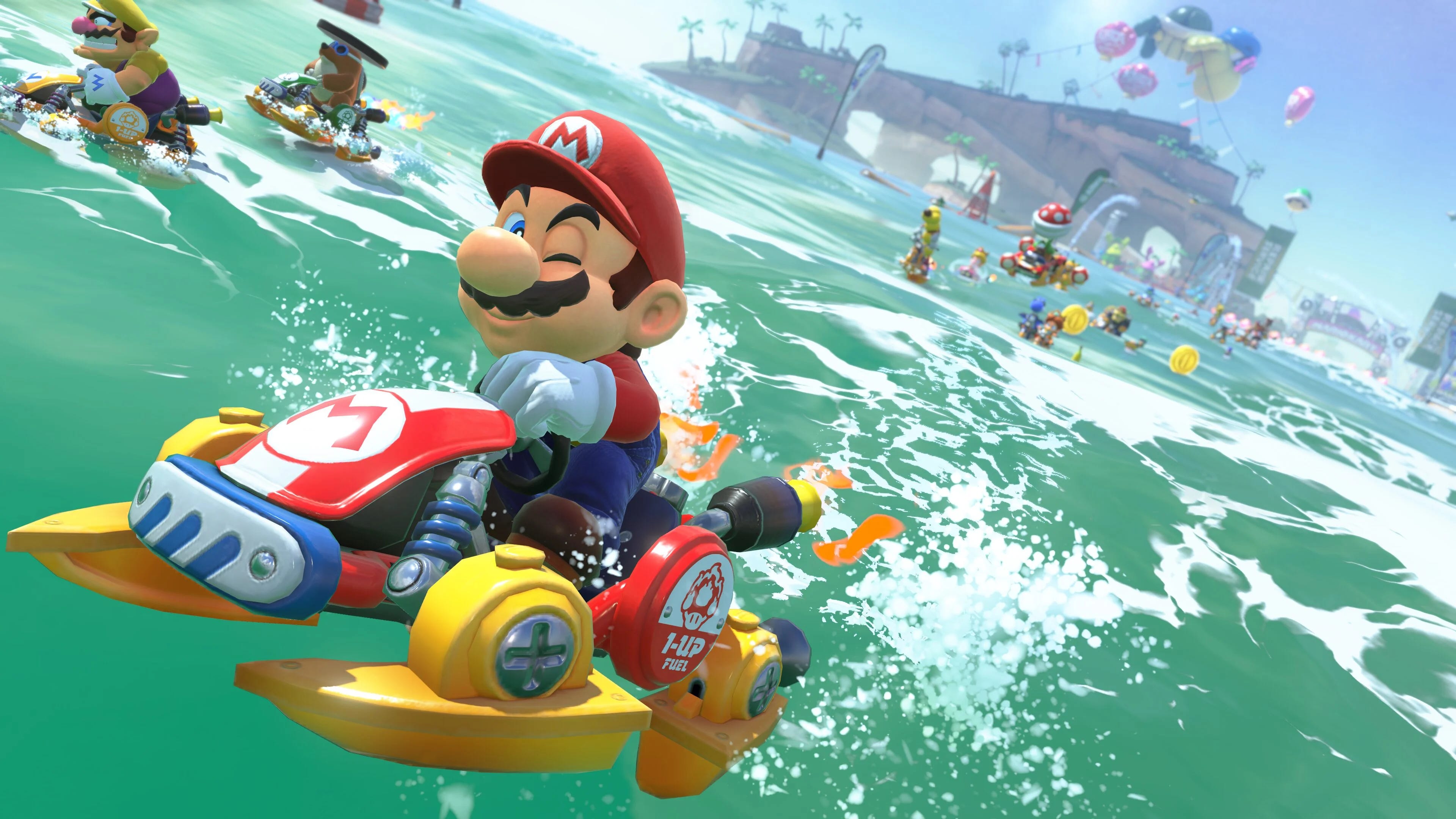
Mario Kart World - George E. Osborn
Was Mario Kart World the best game I played this year? Honestly, no. Cyberpunk 2077 running perfectly on Switch 2 was a quasi-religious experience for me that somehow stands out amongst the best years for video games, well, ever.
But Mario Kart World is my favourite game of the year because it tells me so much more about what games mean to me nowadays.
Obviously, it is a great game in its own right. Its controls felt perfectly primed to allow everyone to play while rewarding mastery.
New modes like Knockout Tour introduced palm-sweaty madness to the multiplayer experience. It is blessed with that wider Nintendo magic too, including its irresistibly celebratory soundtrack.
However, what really made this my favourite game this year was watching my nieces play it for the first time.
This was the first ‘new’ Mario Kart they’ve experienced in their life. Watching them get excited about playing it, getting their hands on it for the first time, and then screeching around the open world to unlock new outfits for their favourite characters was a delight.
So yeah, it’s a bit of a sentimental pick. But I’ll always associate this game with their happiness. And that, my friends, is powerful stuff.
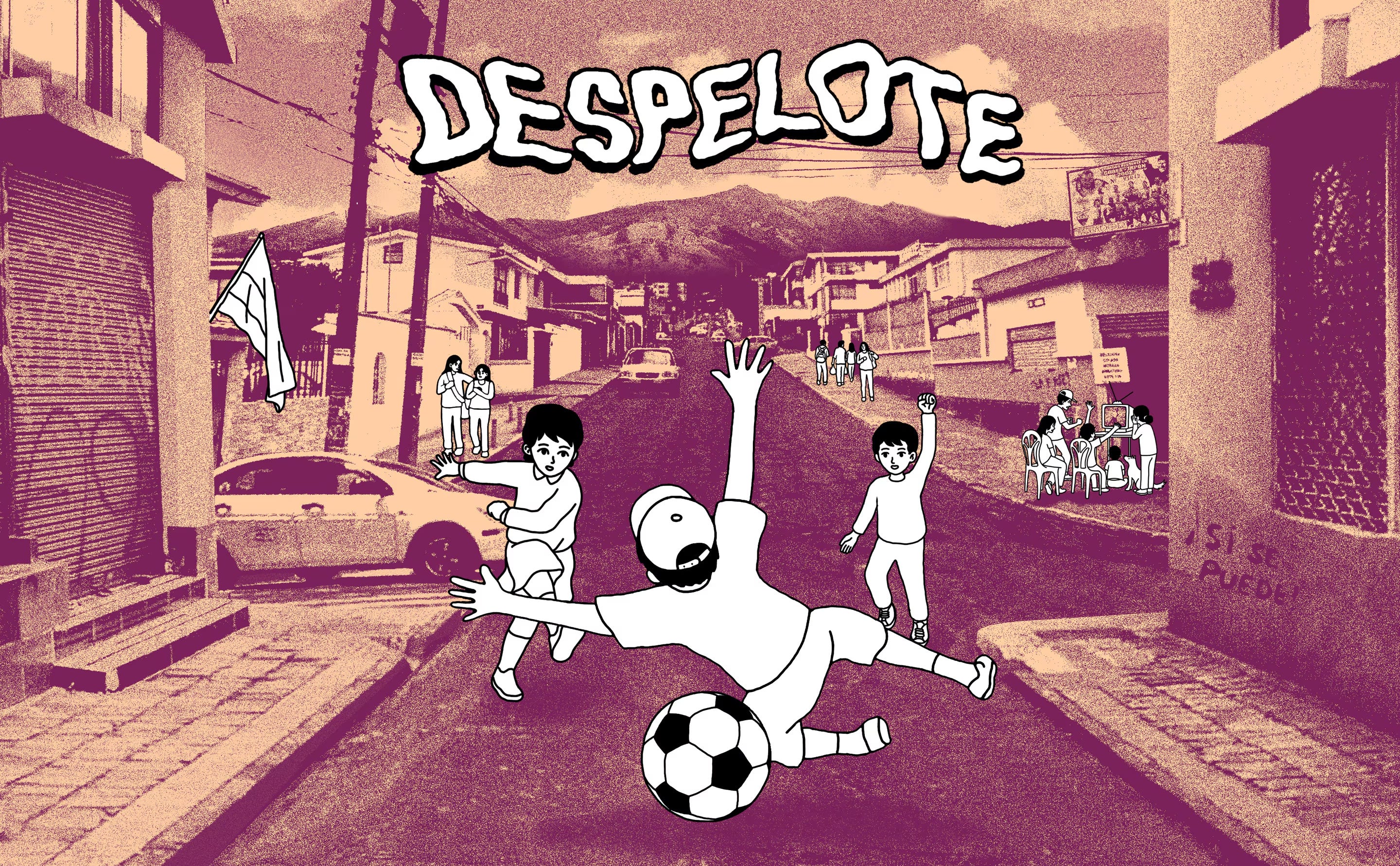
Best of the rest
Despelote’s slice-of-life storytelling about growing up in Ecuador in the run-up to the 2002 World Cup is the kind of heart-warming narrative you just don’t see very often.
Ireland’s homegrown hit The Séance of Blake Manor is an ideal accompaniment for a Blue Prince playthrough (or the perfect pick-up for an Obra Dinn fan seeking something new).
Donkey Kong Bananza might not quite have the chops of a new Mario game, but its destructible delights offer a diverting pick-up for any Switch 2 owner who is bored of karting.
Dispatch is a timely reminder that the formula that once propelled Telltale Games to glory still has plenty of mileage in it if deployed properly (especially with top vocal performances from the likes of Aaron Paul).
And even though its three-act structure didn’t work for everyone, Civilization VII floated my strategy game boat. Given that this is my newsletter, it’s going in (sorry, BALL x PIT, which really should be here instead).
The Bluffer’s Guide to the best video games of 2025
Do say: 2025 was a banner year for video game releases, with a slate of excellent Triple-A titles, tightly wound AA releases, creative indie games, and surprisingly inventive live service titles offering plenty for players to delight in.
Don’t say: bUt WheN is GTA VI out?
Before you go…
What’s better than buying someone a book for Christmas? Buying someone a book for next Christmas.
Yes, Power Play still isn’t out yet. But why not get someone in your life excited about the book and next year’s book tour (more on that in 2026) by pre-ordering a copy for them right this instant?
Head to my Power Play Linktree and register your order via your preferred retailer here.
Hades 2 yes!
https://substack.com/@davidkunt/note/c-191124842?r=6qv3gs&utm_source=notes-share-action&utm_medium=web