

From bug catching to billions: 30 years of Pokémon power, 12/03/2026
A love-letter to a series that has changed the lives of its biggest fans 🦖

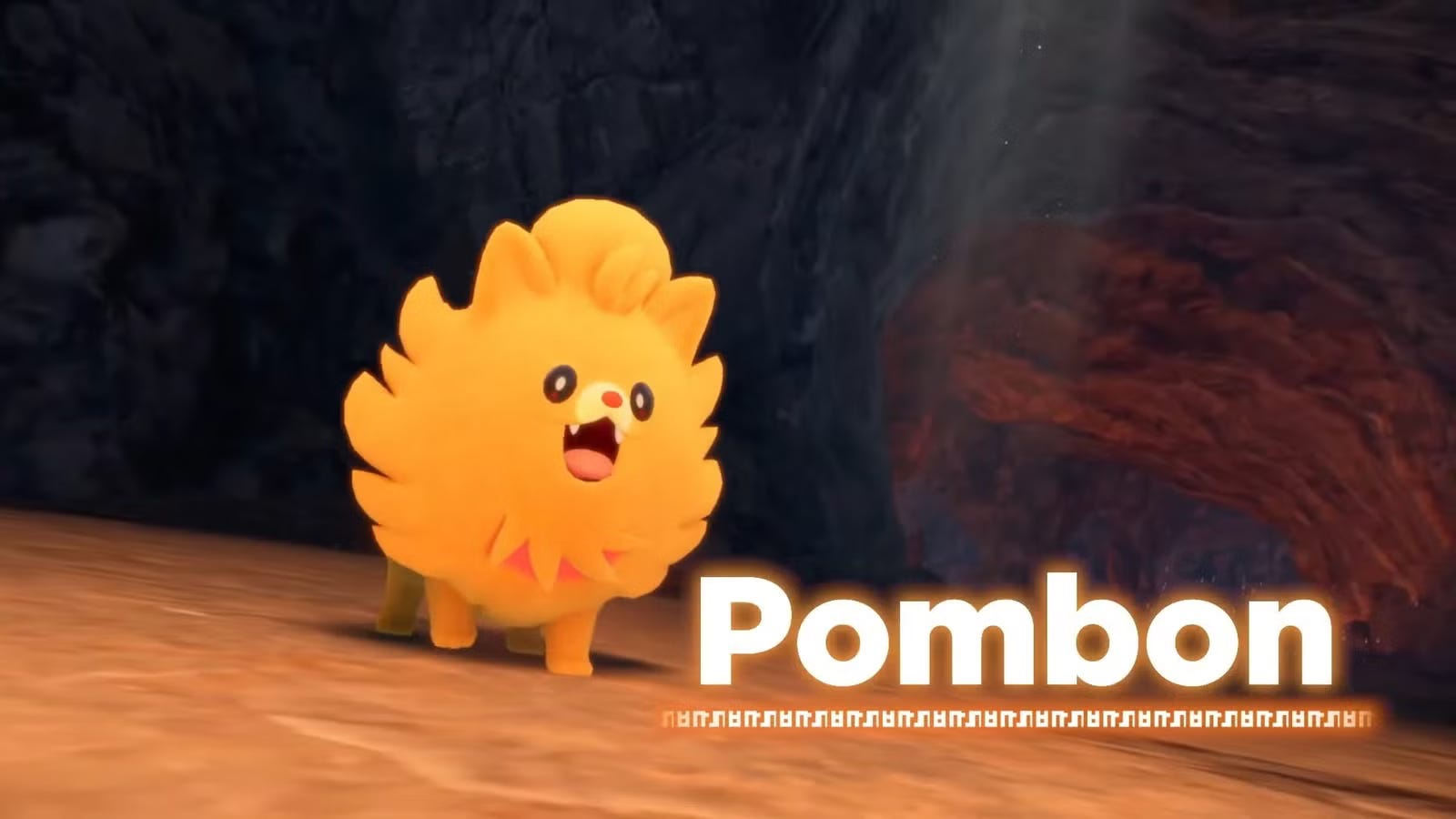
VGIM kicks off an anniversary two-parter with a deep dive on all things Pocket Monsters
Fatal Frame II tops our games of the week, as publishers’ penchant for remaking horror classics continues
And we round things off with a whimsical font becoming the butt of the joke
Hello VGIM-lings
True VGIM heads will know from that customary introduction that it is I, the other George, back this week for your video gaming industry pleasure.
Over the next two weeks, Tom Regan and I will be blessing your inboxes with a double-whammy of big boy 30th anniversary breakdowns that prove the oldies are very much still the goldies.
First up, as the title suggests, I will be exploring how Satoshi Tajiri’s ball-bound bugs evolved from a rural pastime into arguably the biggest entertainment franchise in the world. The series is so ubiquitous that a whopping 76% of Britons can recognise Pikachu, the electrified yellow rat, as a Pokémon, according to YouGov.
But how did The Pokémon Company make its Pika Pals into the highest-grossing media franchise of all time, clocking in $115bn compared to Mickey Mouse’s paltry $61.2 billion (at least according to the partially reliable Wikipedia)? Well, you’ll have to read on.
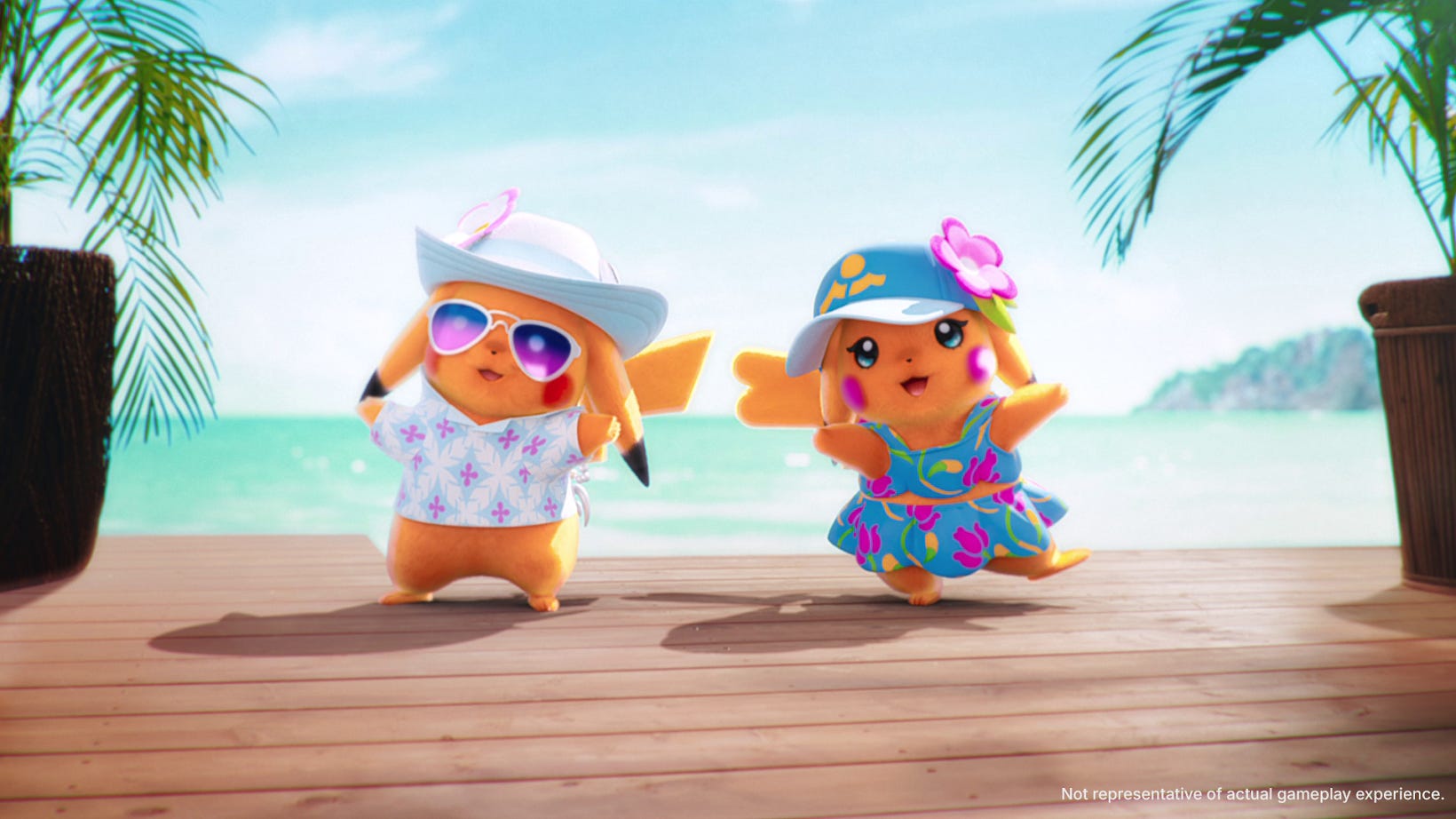
The big read - From bug catching to billions: 30 years of Pokémon power
Humble beginnings: The story of how the bug-bonkers Tajiri came up with the monster-battling franchise is so well documented that I won’t repeat it here. But it is safe to say that his unique idea for a JRPG where beasts battle on behalf of poorly-parented school-age children quickly captured people’s imagination - turning the series into a franchise with its own anime, manga, and a plethora of merchandise for players to tuck into.
Passion for catchin’: At the heart of the game’s success is one simple, but important, thing. There are few fanbases as fanatical as Pokémon’s. I was invited to an event in London to celebrate Pokémon’s 30th anniversary with many other beastly fans. The screams of delight from the crowd when someone won a plush from the claw machine or pulled a rare card from a TCG pack were unmatched and intoxicating.
Pikachu everywhere: Yet Pokémania has rarely been confined to official events alone. Since the series broke out in 1996, fans have found myriad ways to celebrate a series that has had an unusual hold on its fanbase. There are Pokémon-themed holidays, Pokémon-themed weddings, and even Pokémon-tinted breakups. Joe Merrick, founder of Serebii, told Polygon that he dipped out of his own stag do to write up the latest Pokémon Go news. Fans have a level of commitment to the franchise that other entertainment empires can only dream of.
Time and money: The secret to its success is how much has been invested in the series. Not just the financial investment from The Pokémon Company into its franchise, of course (although that certainly doesn’t hurt). Instead, Pokémon encourages and rewards the multiple ways that players have invested their time, passion, and - yes - their cash into the series. The tribalism that people feel towards their favourite Pokémon links all the way back to their first choice — which of the two editions of each game that a fan starts with (Editor’s Note: the correct answer is Pokémon Red, fight me readers).
Double money: Cynics point to Pokémon’s choice to sell two flavours of each game with some jealousy, seeing it as a ruthless cash grab. They position The Pokémon Company as money-grabbing; knowing the fans are so devoted to the franchise, they will buy two games and two consoles to go with it. There are some players who certainly do this, but it’s not the majority. The version differences serve another purpose. Firstly, it bonds the player to their choice, and secondly, and most importantly, it forces social interaction by encouraging players to trade with people who own the other version of the game. This creates a rich social community, something Keza MacDonald argues beautifully in favour of in her recent book Super Nintendo.
Buy then justify: It’s not just about justifying your financial choice. The growth of The Pokémon Company’s empire is intrinsically linked to video games’ interactive medium. Ask the Pocket Monster-loving Millennial or Zoomer in your life, and they’ll tell you they established a historic bond with each beast as they win, lose and adventure together. Pokémon fans have invested emotions, time, and ultimately, lots and lots of money into the franchise. It becomes so wrapped up with your history, we’re all in too deep to let go.
Pokémon friendships are magic
Forever friends: The depth of these relationships is a by-product of the series's longevity. The majority of Pokémon fans are in their twenties and thirties, with each new generation of games introducing a new generation of humans to the franchise. I asked multiple people from all areas of the fanbase what Pokémon means to them, and the same answer kept coming back to me: community and friendship.
Time together: “I grew up in a very religious household where Pokémon wasn’t a thing,” Jupiter Hadley, author of The Best Life Adventure Games, tells me. “When I was travelling and learning more about games, Pokémon Go came out… I downloaded it ahead of everyone and [they] thought I was wicked cool. Since then, I started joining communities in Pokémon Go, and I’m currently a community ambassador… I’ve had a lot of fun just making friends and being together and enjoying that community aspect that isn’t prevalent in a lot of games.”
Social psychology: Pokémon Go is very explicit in its community messaging, forcing people to go outside and team up to take down powerful raid bosses. However, there are communities based around every aspect of Pokémon, whether you’re into catching ‘em all, difficult challenge runs, battling, or trading cards; you need to work with others if you want to find success. This social aspect feeds back into the choice of games.
Shared interests: The Pokémon games, including the many, many spin-offs, are social at their core, and often in different ways. “[Pokémon is] a massive part of my life and I’ve had a lot of lifelong friends through the game,” says Hadley. As someone who met their partner when they were looking for someone to play Pokémon with, I would have to agree.
Perfect match: Gaming is perceived as an isolating hobby, but Pokémon’s strength lies in its complete opposition to this stereotype. It offers people a shared passion to connect over and opportunities, both online and in-person, to meet similarly minded potential playmates. It’s something that goes beyond your average game. It’s something that will always keep people coming back for more.
Entering the real world
Game to merch pipeline: Like any savvy billionaire, Pikachu diversifies his investments. Video game revenue is just a tiny slice of the Poképie, though I’m sure this portion has increased significantly since Pokémon broke into the mobile market, particularly its two heavy hitters: Pokémon Go and TCG Pocket. For Pokémon, the money has, and very likely always will be, in the merchandise. And considering some bits of merch are now selling for $16.5m a pop, that commitment to churning out stuff you’ve got to buy will run on and on.
Savvy or cynical: However, Pokémon’s money-making-merch-machine isn’t entirely cynical. For many people, they grew up playing Pokémon as a form of escapism, wishing desperately that its world were real. The merchandise offers another path towards making this dream come true.
Real adventure: Nathan Ellingsworth, the man behind WhatCulture’s Pokémon channel CultureDex, explains how Pokémon feels real through play. “To me, [Pokémon offers] this sense of adventure. It’s this sense of a multitude of choices and a scale that I just hadn’t really been captured [before],” he says. “I still feel that sense of adventure that I had as a kid.”
They live on: The curious thing about Pokémon is that they are real. Tech bros tried to create the concept of trading image data with unique characteristics, but Pokémon had beaten them to it thirty years earlier. The crypto industry wasn’t just late to the party when they tried to cash in on collectibility through NFTs; it entirely missed the reason why pixellated Pokémon feel so valuable to those who play. The value is derived from player interaction. You can trade the exact Pokémon you finished your first game with all the way to your current one. This emotional bond isn’t something people feel for their Bored Apes.
Making the invisible, visible: Pokémon Go most easily shows how the digital version of a Pokémon is real to players. They roam the real world, even if you can only see them through your phone. And if playing with your Pokémon in the virtual world isn’t enough, then you can also buy the life-size version of your pocket pal, which brings us back to the merchandise.
Pokémon now: Not only do Pokémon feel real in-game (and look it when sat on your shelf), but it’s part of both our wider cultural conversation. It’s the word of mouth that makes Pokémon a tangible part of our world. YouTuber Tahk0 describes the phenomenon in an interview with Eurogamer. “Pokémania is like, the closest thing to a fictional thing being real… where everybody everywhere is enjoying this thing together, at the same time, for a long time,” he says. “That feeling is probably the thing I’ve been chasing forever.”
Living a Pokémon life
Serious business: More than anything, Pokémon is a medium through which people tell stories. Almost 5 million people have watched the three-hour movie of how pChal defeated one of the hardest Pokémon games, elating in his wins, and feeling the losses acutely. PChal invokes literary greats between chapters of the story, even quoting Goethe in his native German. It’s not cynical. It works.
Win with your favourites: And just like how the stories from the game bleed out into the real world, there are legendary stories of real-life Pokémon fame. People are still talking about how Pachirisu and its trainer, Sejun Park, slayed dragons to win the 2014 Pokémon World Championships. The Pokémon Company continues to memorialise Park’s mighty squirrel, and you can buy bundles based on his winning team 12 years on.
It’s in the game: Pokémon’s esports scene is becoming increasingly popular, and each major event has larger attendance numbers than the last. The games are blending with real life as fans that aren’t invested in the competitive scene come to watch, just like how crowds of NPCs gather around your character for the games’ toughest challenges.
Ash’s Pikachu, Wolfe’s beast: Blurring lines further still, when a player wins a big tournament, The Pokémon Company distributes a ‘mon from the winning team carrying the player’s name. Famously, when the most popular and arguably best Pokémon trainer of all time, Wolfe Glick, narrowly won the European International Championships with his most hated Pokémon, Incineroar, everyone earned the opportunity to taunt him with it by sending out Wolfe’s beast into battle.
Tough competition: This leads to the final reason for the series’ endurance: the way its popularity has allowed its biggest fans to earn their living serving a community authentically. For example, Pokémon video game tournament commentator and caster Charlie Merriman, who describes the competitive battles as “chess meets poker”, has turned his passion for the series into his day job.
The reality: “When I finished my A Levels, my treat to myself was a Pokémon game, when I got into drama school after university, my treat to myself was a Pokémon game,” he said. “When lockdown was announced, and I had to start shielding due to my cystic fibrosis, my treat to myself was a Pokémon game - and that last treat developed into making a career partly out of Pokémon, commentating and presenting on competitive video game tournaments.”
Hobby to job: Looking at the plethora of people that have turned Pokémon into their jobs, whether that’s content creators like pChal, casters like Merriman, or champions like Glick, it’s hard to dismiss Pokémon as mere fantasy. The franchise is so big that it has created its own economy, with the many creatives of the Pokémon fandom making a living from developing their art.
A dream no more: Full-time YouTuber and streamer 360Chrism also explicitly thanks Big Pikachu for his career. “Pokémon, in a way, changed my life… [It has] given me the ability to turn my hobby into my job.” Stories like these give the average fan the feeling that Pokémon could be something bigger for them, too. Personally, I have earned plenty of work by dint of my extensive knowledge of Pokémon, and I am just one of a huge number of people who can say the same.
Every facet: Pokémon is not just a video game; it’s a large part of many people’s daily lives, whether that’s through their childhood nostalgia, their relationships with others, their creative output, or even work. Pokémon digs its claws into many parts of its fans’ lives.
The story begins: Merriman explains it best, when he says, “What comes up time and time again is growing up and going through the ‘too cool for Pokémon’ phase before realising that embracing it is the quickest path to happiness. If you let it, Pokémon can change your life.” Three decades on from its release, that feels more true than ever.
Events and conferences
PAX East, Boston - 26th-29th March
London Games Festival, London - 13th-19th April
Games for Change Summit, London - 15th April
gamescom Latam, São Paulo - 29th April - 3rd May
Summer Games Fest - Los Angeles - 5th-8th June
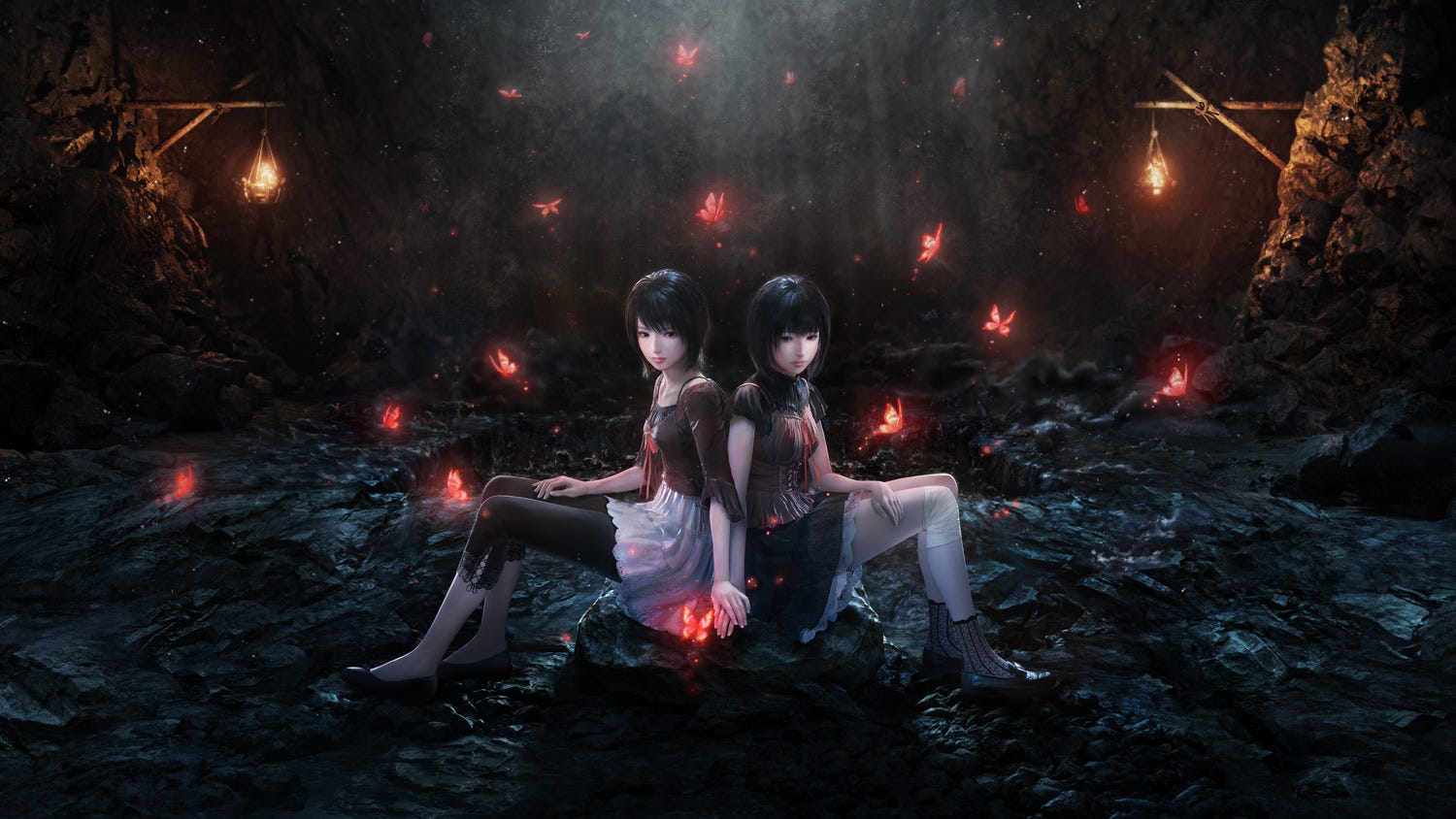
Games of the Week
Fatal Frame II: Crimson Butterfly - Hoping to take advantage of the most popular games in their libraries, Crimson Butterfly joins the ever-growing line-up of horror classics receiving the remake treatment.
Collector’s Cove - For those who need to calm down from all of the ghost snapping action, Collector’s Cove is a cosy farming sim that takes place on the back of Nessie.
Monster Hunter Stories 3: Twisted Reflection - In another game about bonding with huge beasts, the third entry in the Stories sub-series gives the world of Monster Hunter a more traditional JRPG twist.
Before you go…
With the recent release of Pokémon’s latest spin-off Pokopia proving to be a rip-roaring success, it was inevitable that the game would spawn memes.
What wasn’t inevitable is that someone would create a Pokopia font generator, promptly leading to people creating horrifying messages to juxtapose the cheery text design.
Check out the responses to the font’s release on social media at your own risk.
Keep up with VGIM: | Linkedin | Bluesky | Email | Power Play |